Plants Under Trees: Protect the Root Flare
Landscaping under trees seems harmless, after all, it’s natural to want a finished, polished look around your yard.
But what many homeowners don’t realize is that planting under trees the wrong way can slowly damage, or even kill healthy trees.
One of the most common issues we see is damage to the root flare, a critical part of a tree’s structure and health.
At Pelton's Tree & Land Services, we help Gautier homeowners protect their landscapes by caring for trees from the ground up, starting with the root flare.
Why What You Plant Under Trees Matters
Trees may look strong above ground, but their health depends heavily on what’s happening at the base of the trunk. When soil, mulch, or plants are piled too close, they can interfere with oxygen flow, trap moisture, and invite pests or disease.
Over time, these hidden issues weaken the tree, making it more likely to decline, lean, or require removal.
Understanding how to landscape safely under trees can save you money, and preserve the beauty of your property.
What Is a Root Flare?
The root flare (also called the trunk flare) is the area where the tree’s trunk widens and transitions into its main roots.
In a healthy tree, this flare should be visible above the soil line.
Why the Root Flare Is Important
- Allows proper oxygen exchange
- Prevents moisture from sitting against the trunk
- Provides structural stability
- Reduces the risk of decay and disease
When the root flare is buried, the tree essentially struggles to “breathe.”
Common Mistakes When Planting Under Trees
Many tree problems start with good intentions. Some of the most frequent mistakes include:
Planting Too Close to the Trunk
Shrubs, flowers, and ornamental grasses placed near the trunk compete with the tree for water and nutrients.
Mulch Volcanoes
Piling mulch high against the trunk traps moisture and encourages rot and insects.
Adding Soil Over Roots
Extra soil can suffocate roots and hide the root flare entirely.
Hardscaping Too Close
Edging, bricks, or stone borders can restrict airflow and damage surface roots.
Why Covering the Root Flare Is Harmful
When the root flare is buried, several problems can develop:
- Oxygen deprivation to roots
- Fungal growth and rot at the base of the trunk
- Increased insect activity, including termites
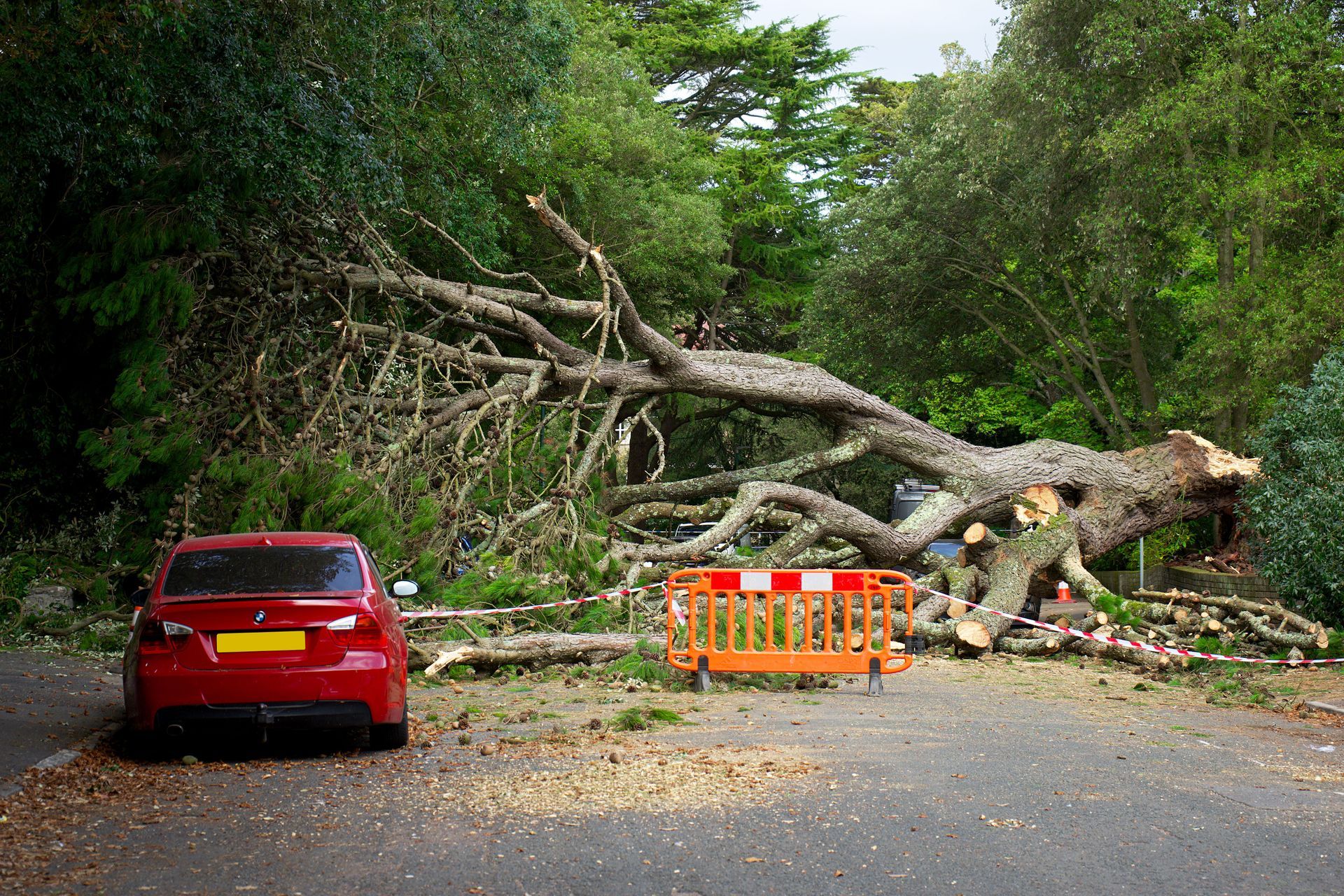
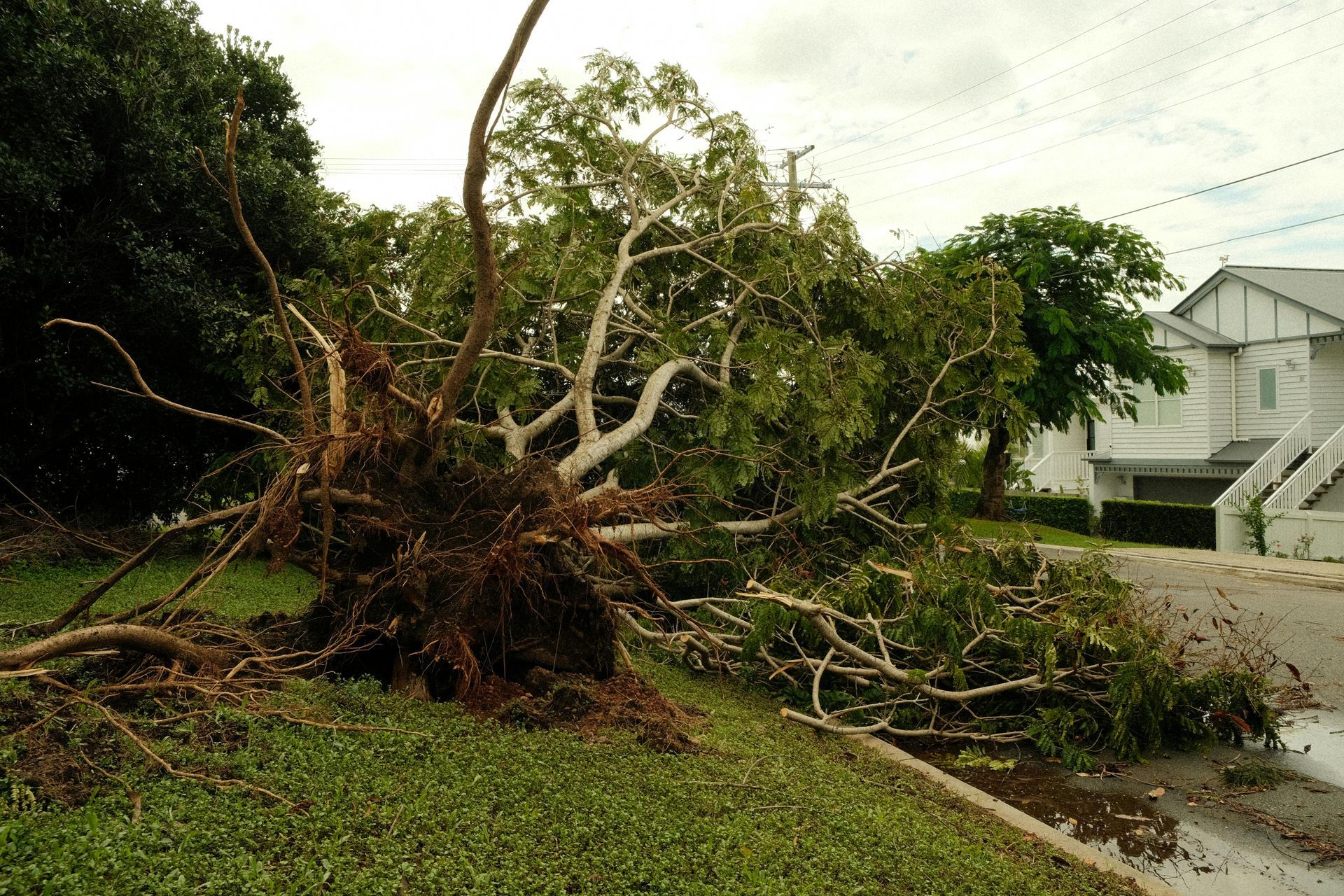
- Weakened structure, increasing the risk of failure during storms
In coastal areas like Gautier, where moisture levels are already high, these issues can escalate quickly.
Safe Landscaping Options Under Trees
You can have an attractive landscape without harming your trees.
Here are tree-safe alternatives:
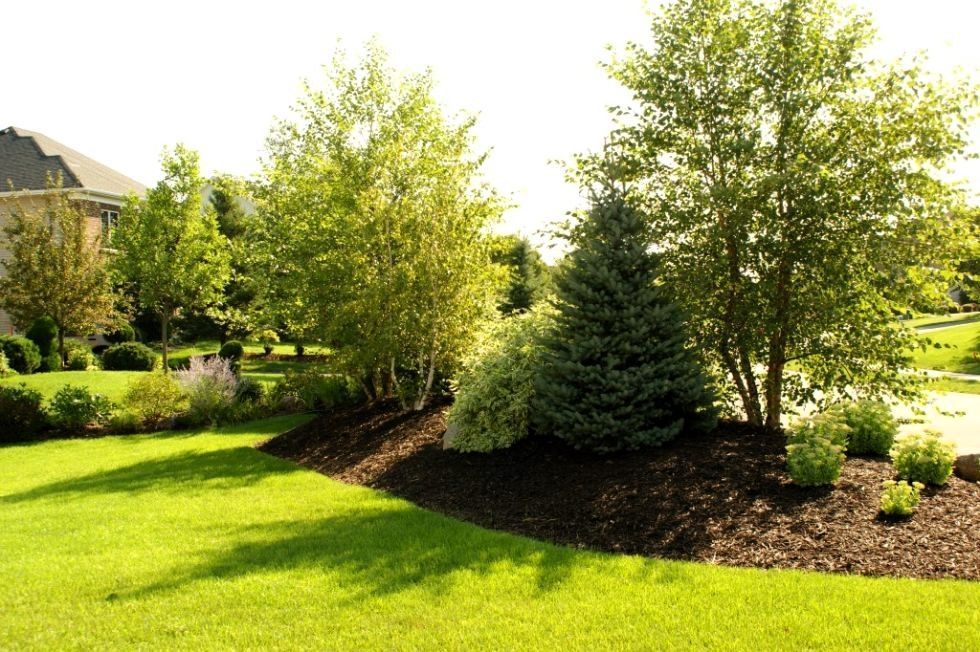
✔ Proper Mulching
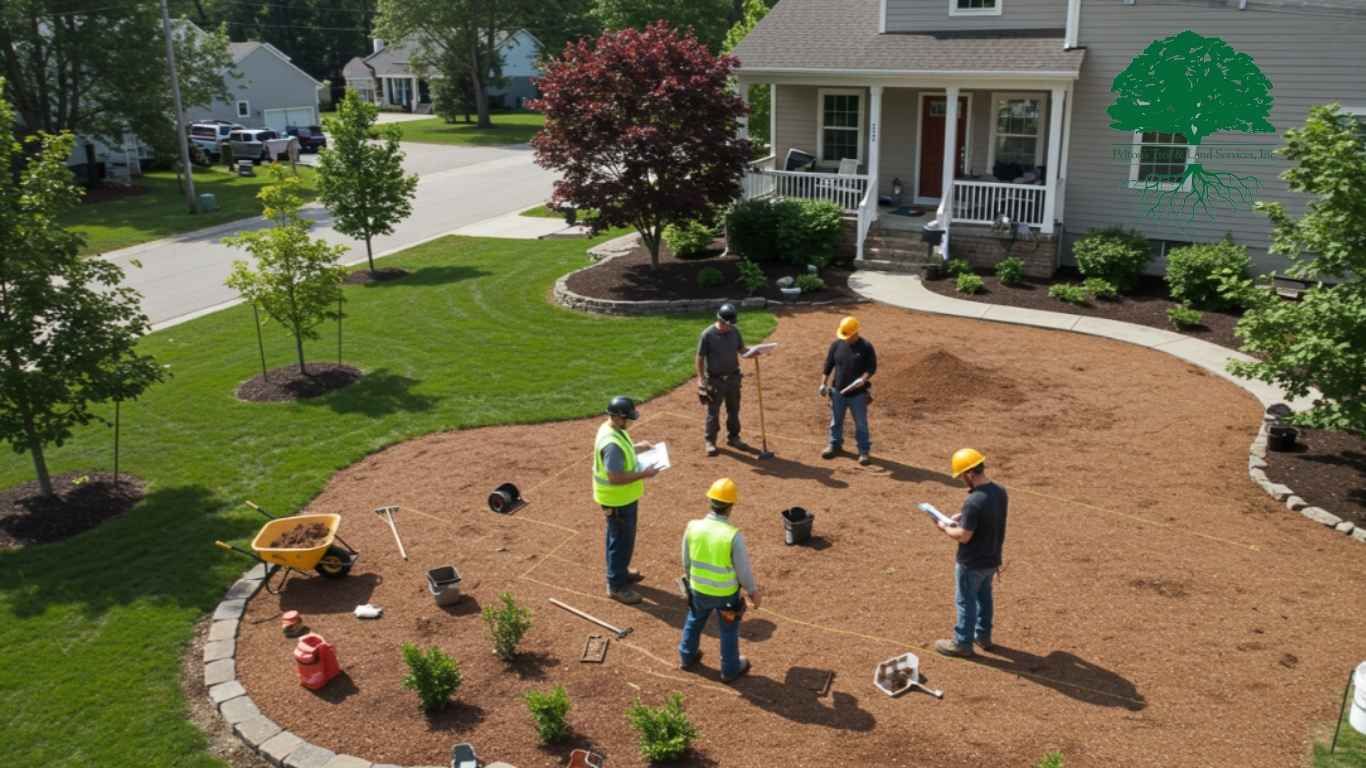
- Apply 2–3 inches of mulch
- Keep mulch 6–12 inches away from the trunk
- Spread mulch in a wide, flat ring
✔ Minimal Planting
- Choose shallow-rooted ground covers
- Keep plants well away from the root flare
✔ Leave the Base Clear
Sometimes the healthiest option is a clean mulch ring that allows the tree to thrive without competition.
Signs Your Tree’s Root Flare May Be in Trouble
Watch for these warning signs:
- The trunk goes straight into the ground with no visible flare
- Mushrooms or soft, decaying bark at the base
- A tree that suddenly starts leaning
- Thin canopy, dead branches, or yellowing leaves
If you notice any of these, it’s time to take action.
How Professional Plant Health Care Helps
Correcting root flare problems often requires professional care.
Our plant health services may include:
- Root flare exposure and inspection
- Soil condition assessments
- Proper mulching corrections
- Long-term tree health plans
Addressing these issues early can extend the life of your trees and protect your investment.
Why Gautier Homeowners Trust Pelton’s Tree & Land Services
We’re proud to serve the Gautier community with:
- Certified, experienced professionals
- Knowledge of local soil and climate conditions
- Affordable, honest recommendations
- Free estimates and reliable service
Whether you need routine tree trimming, emergency removal, or plant health care, our team is committed to keeping your landscape safe and beautiful.
Protect Your Trees from the Ground Up
Landscaping under trees doesn’t have to be risky, but it does require the right approach.
Protecting the root flare is one of the simplest and most important steps you can take to keep your trees healthy for years to come.
If you’re unsure whether your landscaping is harming your trees, contact Pelton’s Tree & Land Services today for a free estimate.
We’re here to help your trees, and your property thrive.
Frequently Asked Questions
What is a tree root flare and why is it important?
The root flare is where the trunk meets the roots. It must remain exposed for proper oxygen flow and to prevent decay.
Can I plant flowers under a tree safely?
Yes, but plants should be placed away from the trunk and root flare, with minimal soil disturbance.
How much mulch should I put around a tree?
About 2–3 inches deep, spread evenly, and never touching the trunk.
What happens if a root flare is buried?
Buried root flares can lead to rot, pests, poor growth, and eventual tree failure.
Can a buried root flare be fixed?
In many cases, yes—especially if addressed early by a professional.
When should I call a tree care professional?
If you notice decay, leaning, or declining health, it’s best to have an expert evaluate the tree.