How Mycorrhizal Fungi Support Tree Health
Healthy trees depend on more than sunlight and water. Beneath the soil surface, a powerful natural partnership is constantly at work, mycorrhizal fungi and tree roots working together to support long-term tree health.
At Pelton's Tree & Land Services, we focus on plant health from the roots up. Understanding how mycorrhizal fungi function helps homeowners make better decisions about soil care, landscaping, and long-term tree preservation.
What Are Mycorrhizal Fungi?
Mycorrhizal fungi are beneficial microorganisms that form a symbiotic relationship with tree roots. The word mycorrhiza literally means fungus-root.
Once established, these fungi attach to or grow within the tree’s root system, extending far into the surrounding soil through microscopic threads called hyphae.
A Mutual Relationship
- Trees provide sugars produced through photosynthesis
- Fungi provide nutrients and water that roots alone cannot access
Both organisms benefit, making this one of nature’s most effective partnerships.
How Mycorrhizal Fungi Support Tree Health
Improved Nutrient Absorption
Mycorrhizal fungi dramatically increase a tree’s ability to absorb essential nutrients such as:
- Phosphorus
- Nitrogen
- Micronutrients like zinc and copper
The fungal network reaches far beyond the root zone, accessing nutrients that would otherwise remain unavailable.
Better Water Uptake
In dry or compacted soils, roots alone struggle to absorb enough moisture. Mycorrhizal fungi act like an extension of the root system, helping trees:
- Access water more efficiently
- Improve drought tolerance
- Maintain healthier foliage during stress
This is especially valuable in the fluctuating moisture conditions common along the Gulf Coast.
Increased Resistance to Disease & Stress
Trees supported by mycorrhizal fungi often show:
- Greater resistance to soil-borne pathogens
- Improved recovery after pruning or storm damage
- Stronger tolerance to heat, drought, and poor soil conditions
Healthy soil biology strengthens trees naturally, without relying solely on chemical treatments.
Stronger Root Systems
Mycorrhizal fungi help stimulate:
- Finer root growth
- Better root branching
- Increased soil stability around roots
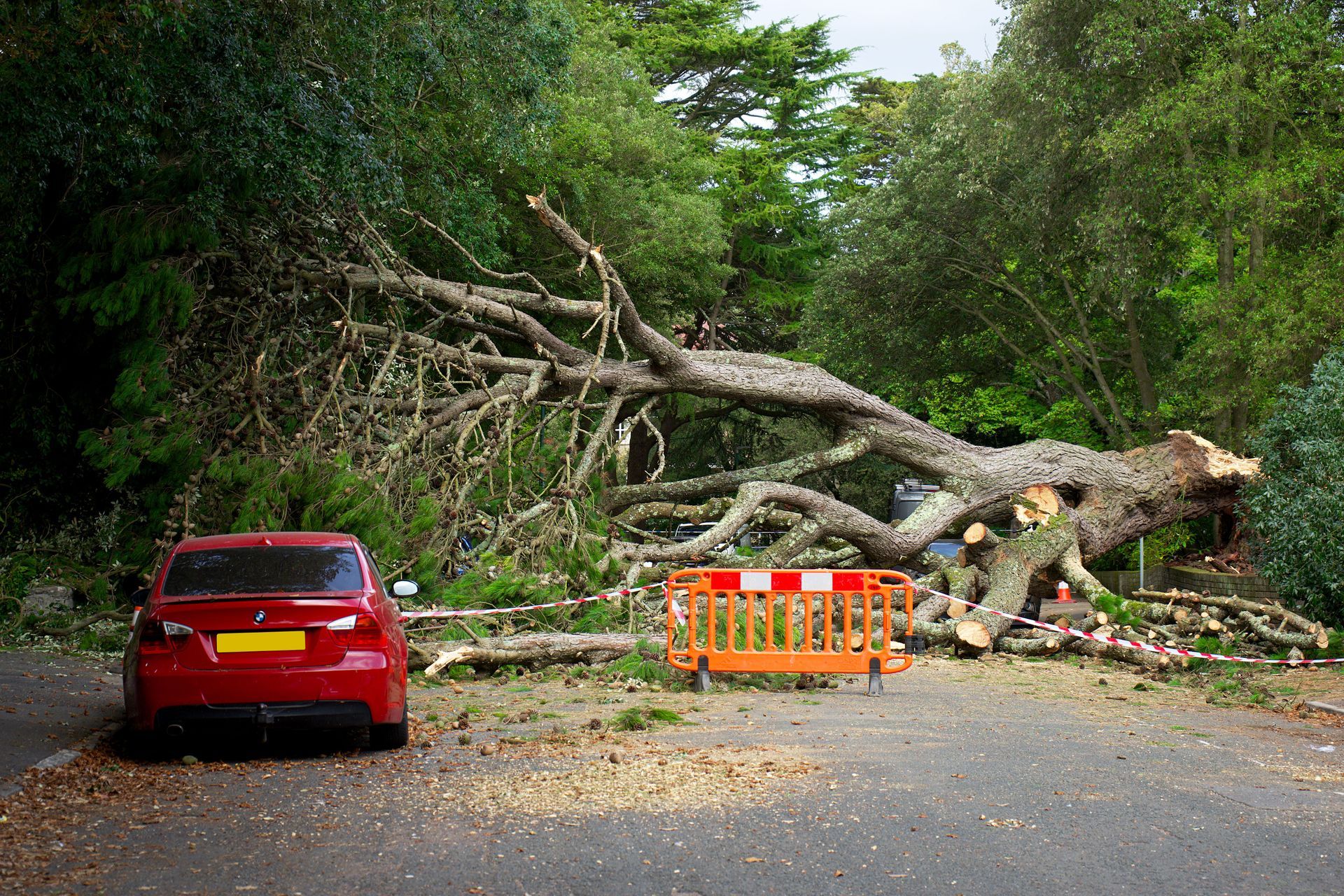
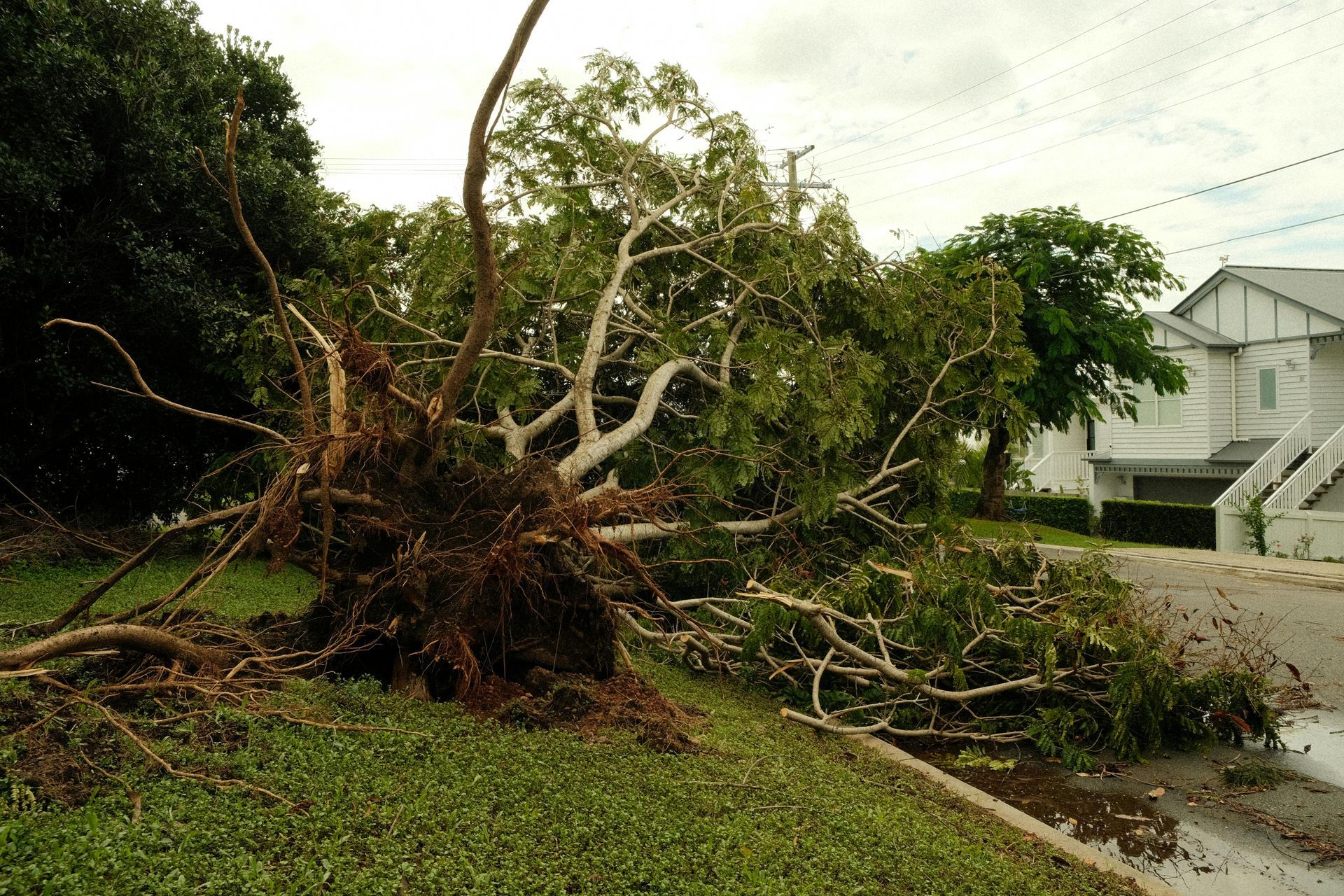
This leads to stronger anchoring, which is critical during heavy rain and wind events.
Why Soil Disturbance Can Harm This Relationship
Unfortunately, common landscaping practices can disrupt or destroy mycorrhizal networks, including:
- Excessive tilling or soil replacement
- Overuse of synthetic fertilizers
- Removing leaf litter and organic matter
- Compacting soil with heavy equipment
Once damaged, these beneficial fungi take time to recover, if conditions allow at all.
How to Encourage Mycorrhizal Fungi in Your Landscape
Homeowners can support healthy soil biology with a few smart practices:
✔ Reduce Soil Disturbance
Avoid unnecessary digging or trenching near trees.
✔ Use Proper Mulching
Organic mulch feeds soil organisms and protects fungal networks.
✔ Limit Chemical Use
Over-fertilizing can discourage fungi by making trees less reliant on natural nutrient exchange.
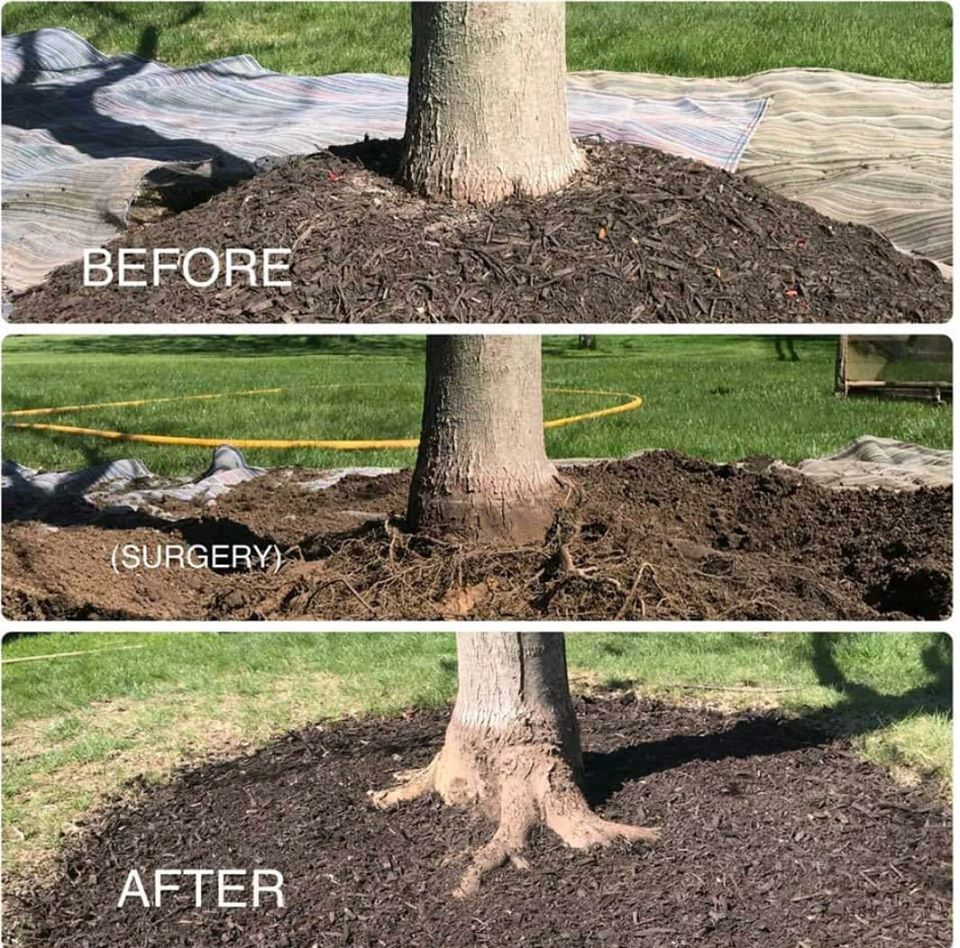
✔ Maintain Healthy Root Flares
Exposed, well-maintained root flares promote oxygen flow and microbial activity.
When Professional Plant Health Care Makes a Difference
In many cases, soil health problems aren’t visible above ground until damage is already underway.
Professional plant health care can help by:
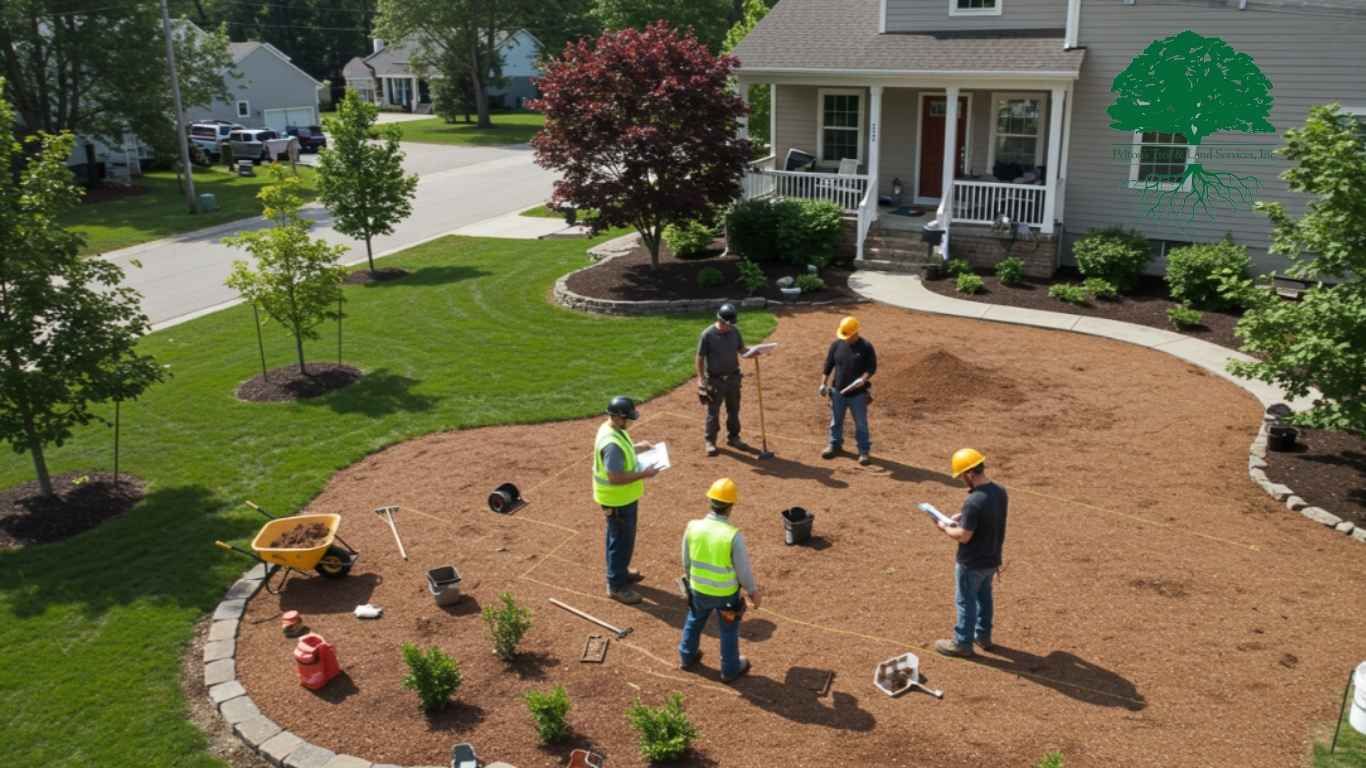
- Assessing soil conditions
- Identifying nutrient imbalances
- Supporting beneficial soil biology
- Improving long-term tree vitality
Our approach focuses on working with nature, not against it.
Why Gautier Homeowners Trust Pelton’s Tree & Land Services
We understand the unique soil, moisture, and climate conditions of the Mississippi Gulf Coast. Our certified team provides:
- Science-backed tree care solutions
- Honest evaluations and recommendations
- Affordable plant health services
- Free estimates and dependable service
From routine maintenance to advanced plant health care, we help your trees thrive naturally.
Healthy Soil Means Healthy Trees
Mycorrhizal fungi may be invisible, but their impact on tree health is undeniable.
By protecting soil structure and supporting beneficial microorganisms, you’re giving your trees the foundation they need to grow stronger, resist stress, and live longer.
If you’re concerned about soil health or tree performance on your property, contact Pelton’s Tree & Land Services today for a free estimate.
We’re here to protect your landscape, starting from the roots.
Frequently Asked Questions
What do mycorrhizal fungi do for trees?
They improve nutrient and water absorption, strengthen roots, and help trees resist disease and stress.
Are mycorrhizal fungi naturally present in soil?
Yes, but they can be reduced or eliminated by soil disturbance, chemicals, or poor landscaping practices.
Can damaged soil biology be restored?
In many cases, yes—especially with professional guidance and proper care.
Do all trees benefit from mycorrhizal fungi?
Most trees form mycorrhizal relationships, though the type of fungi may vary by species.
Is mulch good for mycorrhizal fungi?
Yes. Organic mulch helps protect soil moisture and feeds beneficial microorganisms.