
Blog
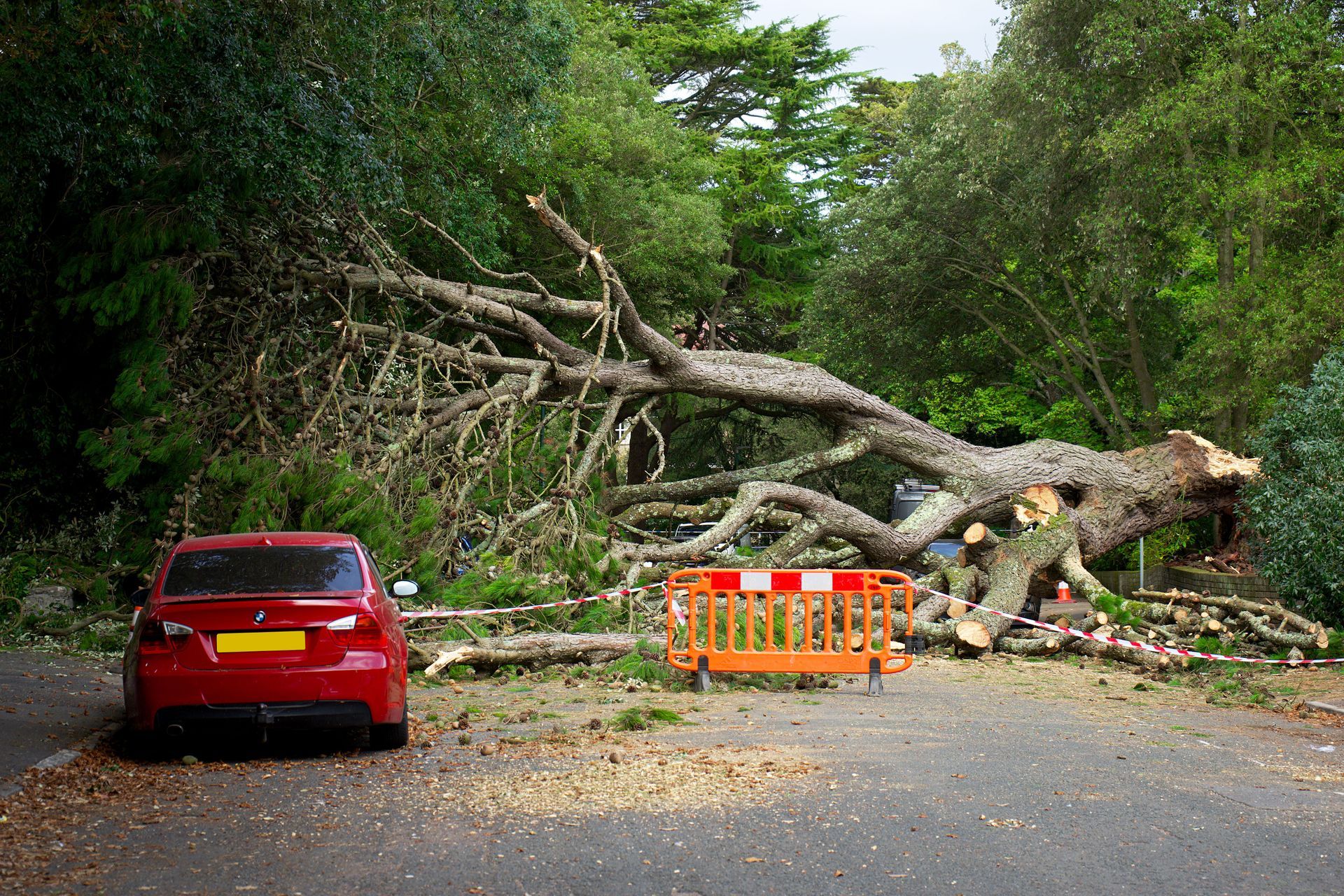
Left unaddressed, a damaged tree in Pascagoula, MS can become a safety hazard. Learn the risks and call (228) 497-6107 for a free estimate.
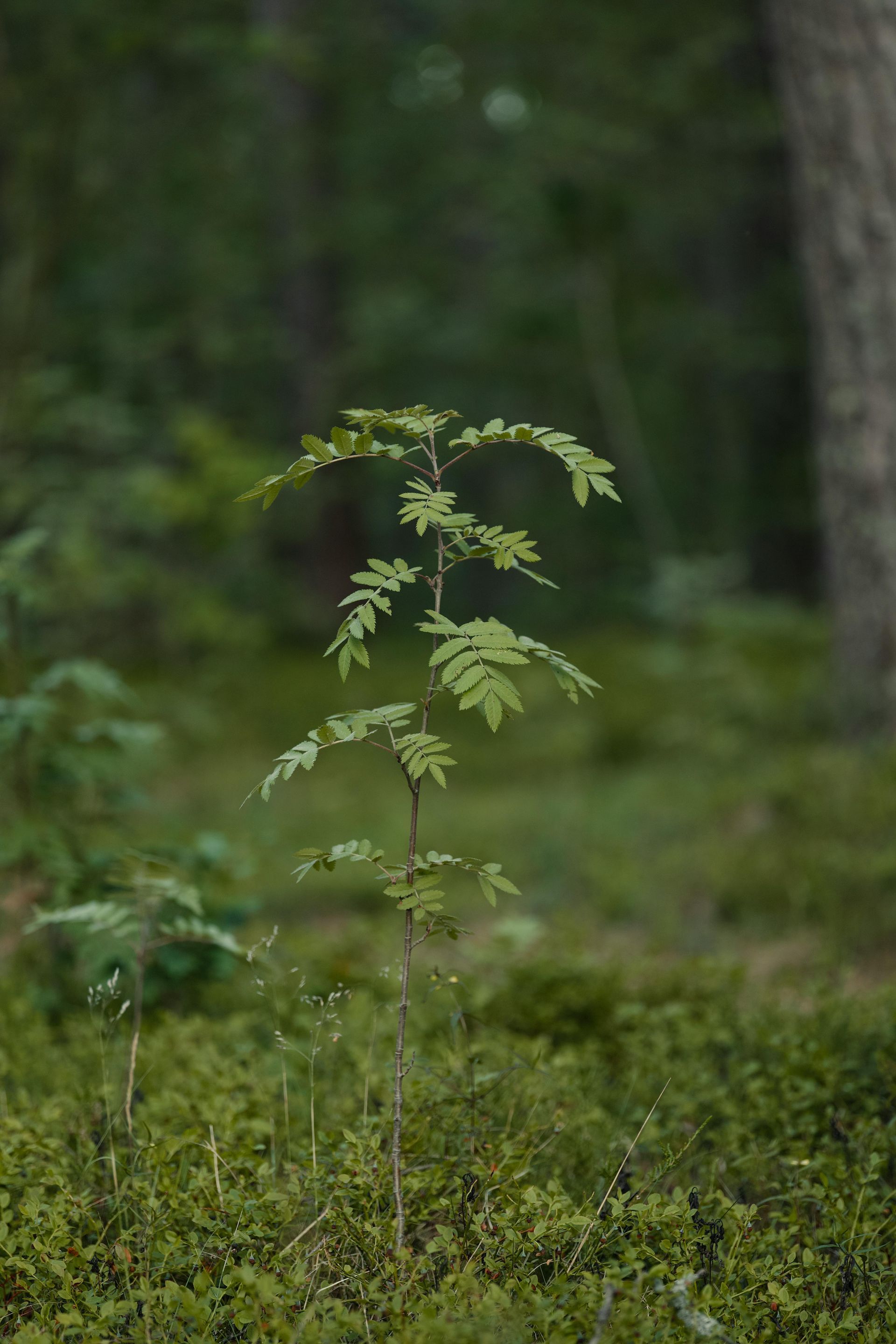
Not sure if your new tree needs staking? Pelton's ISA-certified arborists in Gautier, MS explain when, how, and how long to stake — and the mistakes to avoid.
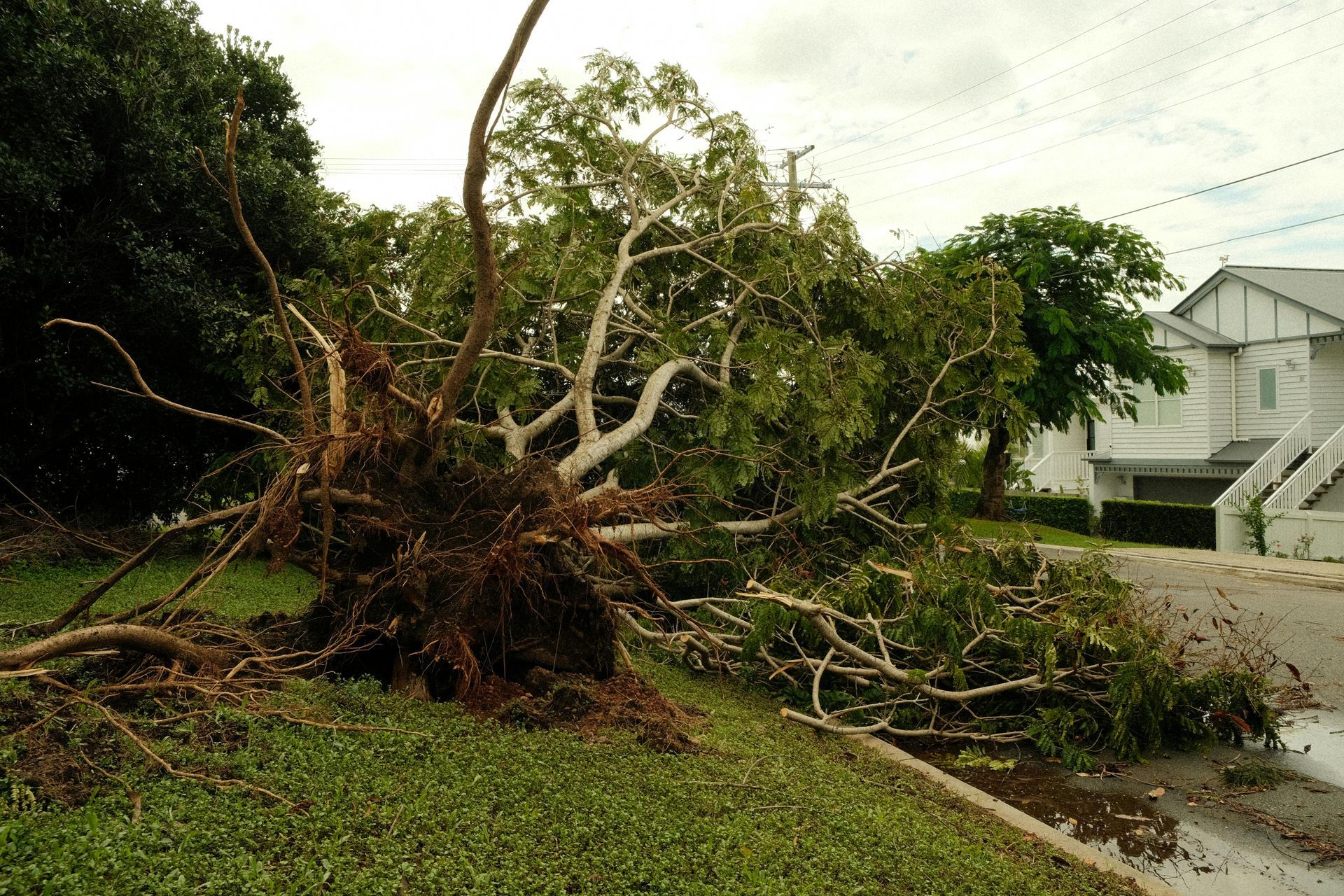
Storm damage? Pelton's Tree & Land Services offers emergency tree removal in Gautier & Pascagoula, MS. ISA-certified arborists. Call now and free estimates
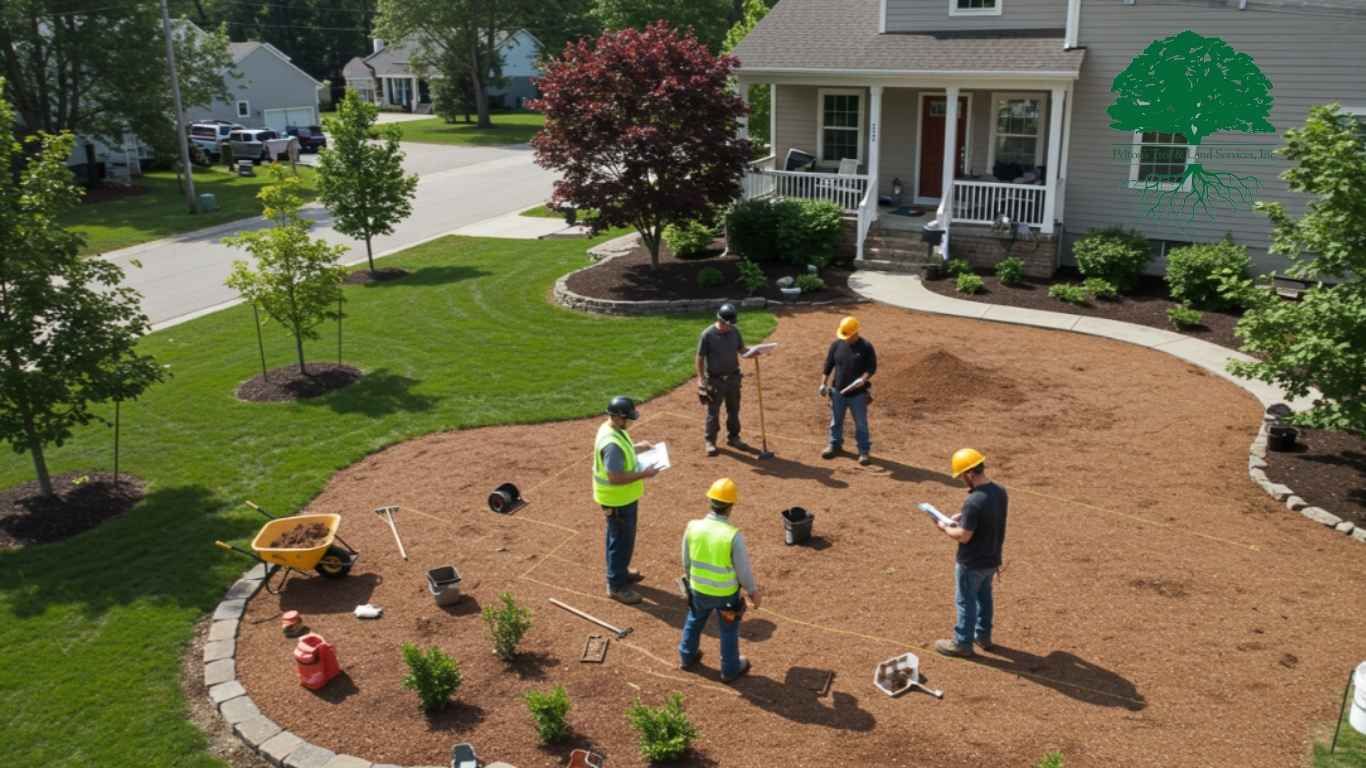
Learn what landscaping really means, what services it includes, and how professional landscaping improves property value in Gautier, MS.
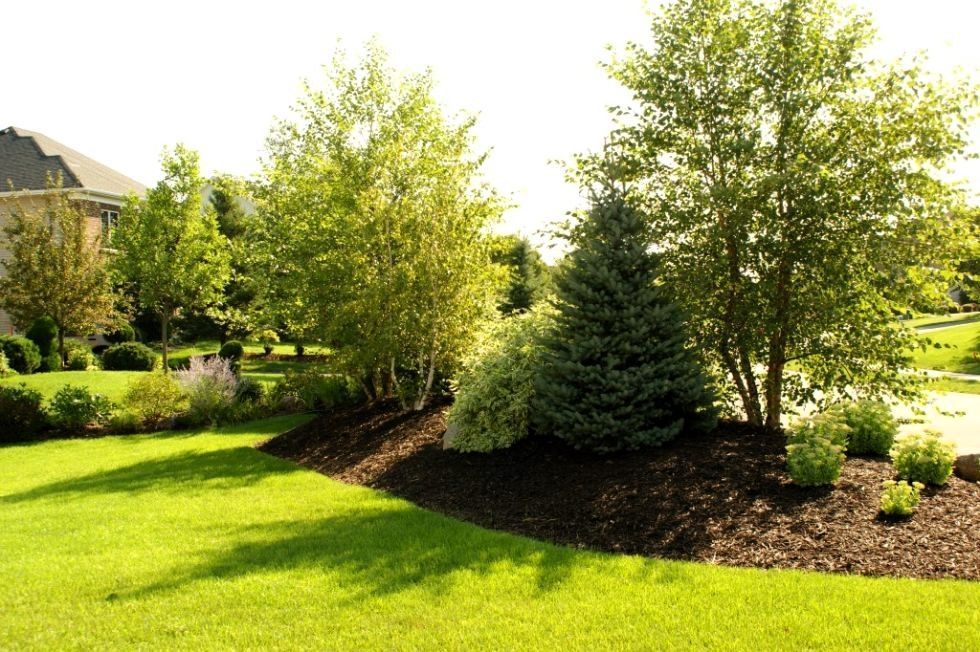
How to Landscape Around Trees: A Homeowner’s Guide in Gautier, MS
Learn how mycorrhizal fungi improve nutrient uptake, soil health, and tree resilience. Expert plant health care by Pelton’s Tree & Land Services.
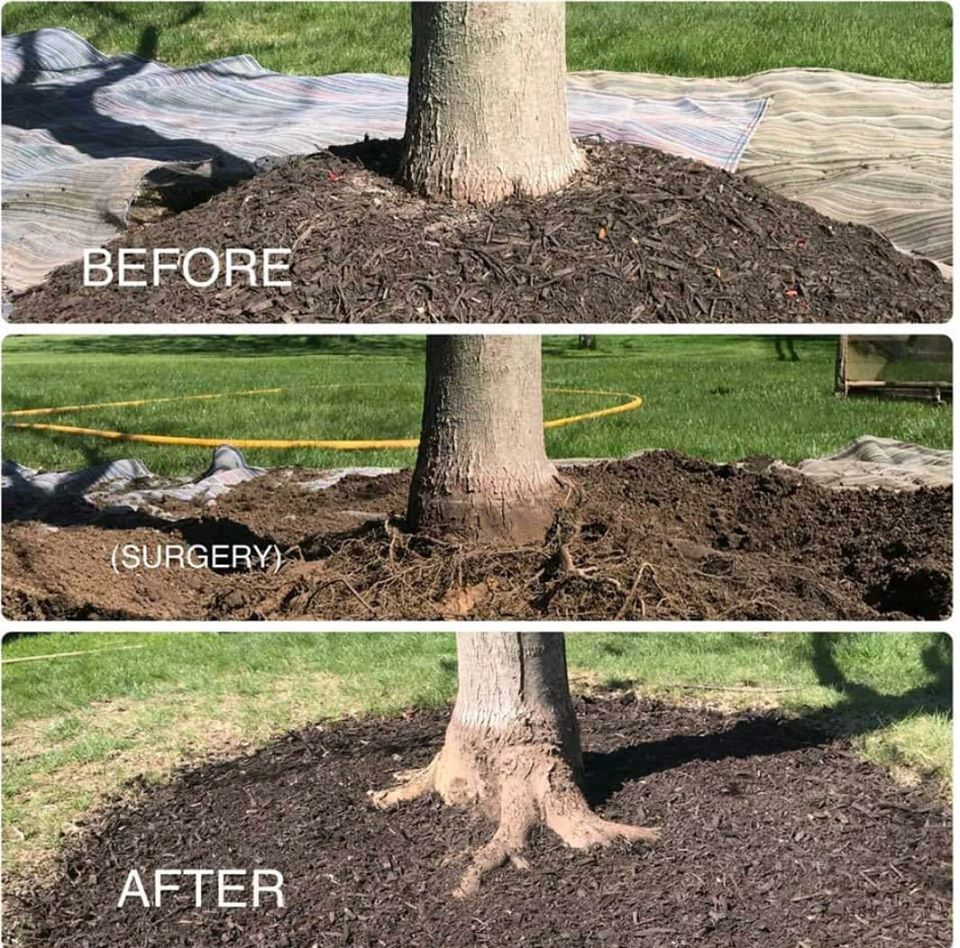
Learn why planting under trees can harm the root flare and how to landscape safely. Pelton’s Tree & Land Services offers expert tree care in Gautier, MS.
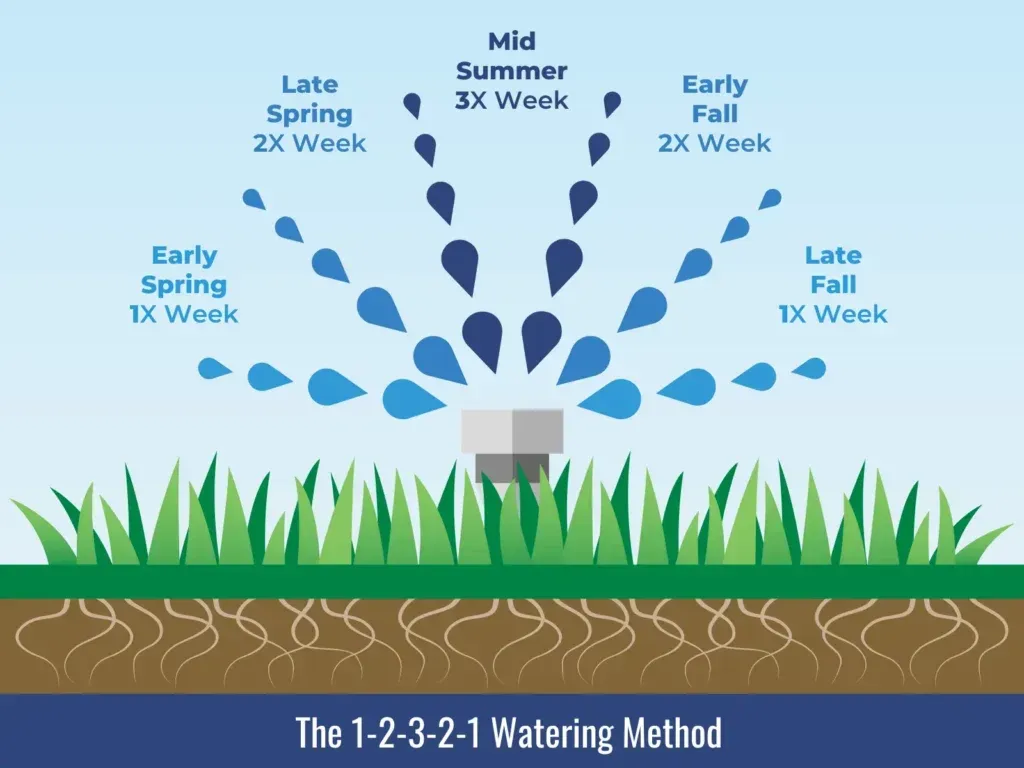
Follow this seasonal lawn care guide for Gautier, MS to keep your lawn healthy year-round. Expert tips from Pelton’s Tree and Land Services.
Discover how a professional plant health care program keeps trees and shrubs healthy year-round in Gautier, MS. Contact us today!
Winter storms can be a beautiful sight. But for trees, snow and ice are more than just a temporary inconvenience. While we admire the winter wonderland outside, many of us don’t realize the heavy toll that snow can take on our trees. Branches snap under the weight, trunks crack, and in some cases, entire trees can be uprooted, leaving your yard and property at risk. In regions like the Mississippi Gulf Coast , snow may not be an everyday concern, but when it does occur, whether it’s a rare snowstorm or an icy mix, it’s important to be prepared. A well-maintained tree can endure the challenges of winter, while an unprepared one may become a safety hazard, causing property damage and even potential injury. Let’s explore how snow and ice affect trees, the steps you can take to protect them before and after a storm, and how Pelton’s Tree and Land Services can help you care for your trees to ensure they stay safe and healthy all winter long. How Snow & Ice Damage Trees When snow and ice accumulate on tree branches, the weight can cause significant damage. Even a light dusting of snow can add considerable weight, but heavy snow or ice storms put much more strain on trees, particularly those with weaker structures or unhealthy limbs. The Weight of Snow and Ice The primary cause of damage during winter storms is the sheer weight of snow and ice that accumulates on tree limbs. As snow piles up, branches bend under the pressure. If the snow is wet and heavy, the weight can be even greater, increasing the likelihood of branches snapping or breaking off completely. Trees with weak or brittle limbs , especially those in urban or suburban landscapes, are especially vulnerable. Branch Breakage When tree branches bend too far under the weight of snow, they can snap, causing lasting damage to the tree. In some cases, the limb may be damaged to the point that it cannot regenerate, requiring removal. Multiple-stem trees , such as maples or birches, are more prone to these kinds of issues. If the central leader (the main stem) is weakened, the entire tree may be at risk. Damage to Trunks and Roots In addition to branch damage, extreme cold, combined with the freezing and thawing of water, can cause frost cracks in tree trunks. This damage, although less visible than broken limbs, weakens the tree over time, making it more susceptible to disease. The ground around trees can also freeze and thaw, resulting in root heaving , where roots are lifted out of the soil, reducing the tree’s ability to absorb water and nutrients. Not All Trees Are Equally Vulnerable Some trees are naturally better equipped to handle heavy snow and ice. Trees with flexible branches, like pines and firs, are less likely to break under snow’s weight, while trees with brittle or dense wood, like oak or beech, are more at risk. In addition, young trees or trees with shallow roots may struggle to stand up to the pressure. In the Gulf Coast , while snow isn’t an annual concern, ice storms can still lead to significant damage, particularly in unexpected winter events. Being prepared can help minimize potential damage to your trees.