Do You Need a Permit to Remove Trees? Here's What You Need to Know
Taking down a tree isn’t always as simple as it sounds. Depending on where you live and what kind of tree it is, you might need a special permission called a "permit" to remove it. This guide will help you understand why permits are sometimes required, how to find out if you need one, and what happens if you don’t follow the rules. If you live in Gautier, MS, you can rely on the expertise of professionals like Pelton's Tree and Land Services to make the whole process easier and stress-free.
Why Do You Need a Permit to Remove a Tree?
Tree removal permits are available for good reasons. Here are a few:
- Protecting Nature: Trees aren’t just pretty; they help the environment by providing homes for animals, preventing soil from washing away and cleaning the air. Permits help make sure we don’t cut down trees without thinking about the impact.
- Keeping Cities Green: In towns and cities, trees are a big part of what makes neighborhoods friendly. Local rules help protect trees to keep the community looking good and feeling natural.
- Safety First: Sometimes, removing a tree can be risky, especially if it’s close to buildings or power lines. Permits ensure that tree removal is done safely.
Basically, permits help balance the need to develop land with the need to protect nature and keep people safe.
How Do You Know If You Need a Permit?
Different areas have different rules, so here’s what you should consider:
1. Where Is the Tree?
- Urban Areas (Cities and Towns): If you live in a city, you might need a permit because stricter rules often protect trees in densely populated areas. This is especially true if the tree is in a park or on the sidewalk.
- Special Zones: If your property is in a particular area, like a historic district or a nature reserve, you will need a permit to make sure the tree removal follows local rules.
2. What Kind of Tree Is It?
- Protected Species: Some trees are considered unique and are protected by law. These can include certain native trees like oak or palm trees. Cutting down one of these without permission can lead to fines.
- Big Trees: Larger trees (often with a trunk wider than 6 inches around at chest height) usually need a permit. The bigger the tree, the more likely you’ll need special permission to remove it.
3. Is the Tree Healthy or Dangerous?
- Healthy Trees: If the tree is in good shape, you’ll likely need a permit because it’s still contributing to the environment.
- Dead or Hazardous Trees: If a tree is dead, dying, or leaning dangerously, you might not need a permit. In some places, you can remove these trees to prevent accidents, but you might still need to show proof that the tree is a danger.
4. What Type of Property Is It On?
- Home vs. Business Property: The rules might change depending on whether the tree is on a house’s lawn or outside a business. Commercial properties often have stricter requirements because of zoning laws.
Protected Areas: If your property is part of a historical district or conservation area, the rules for tree removal will likely be more strict.
How to Find Out If You Need a Permit
Here are three easy steps to follow:
1. Contact Your Local Government
The quickest way to find out if you need a permit is to ask your local city or county office. They’ll know the rules for tree removal in your area. In Gautier, MS, for example, you can talk to the city’s forestry or environmental services department.
2. Use Online Resources
Many city websites have helpful information, including:
- Guidelines for tree removal permits.
- Forms you need to fill out.
- Contact info for the right people to ask.
3. Ask a Licensed Arborist
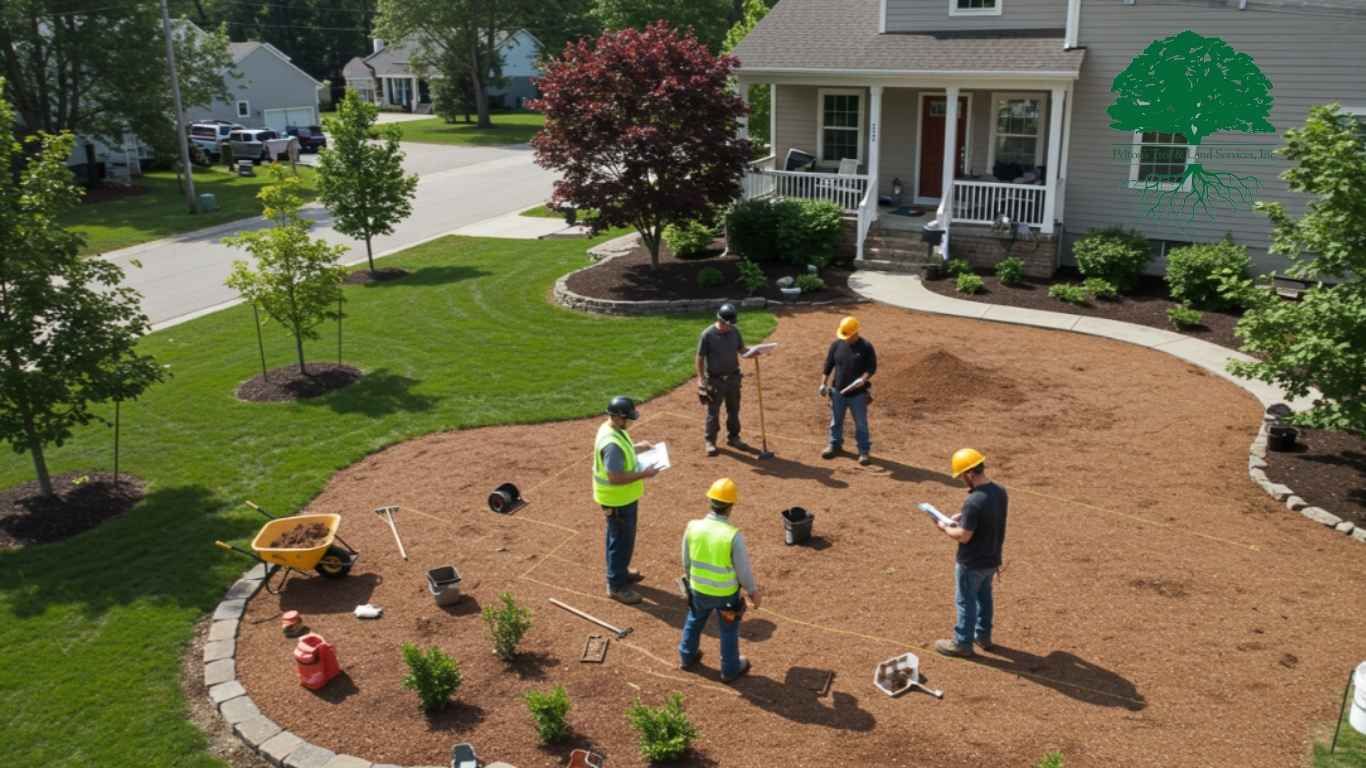
Consulting professionals like Pelton's Tree and Land Services can be invaluable. They are well-versed in local rules and can help you determine if you need a permit. Additionally, they can inspect the tree and assist you with the necessary paperwork, making the entire process smoother and less stressful.
When Can You Skip the Permit?
There are some situations where you might not need a permit. Here are a few examples:
1. Emergencies
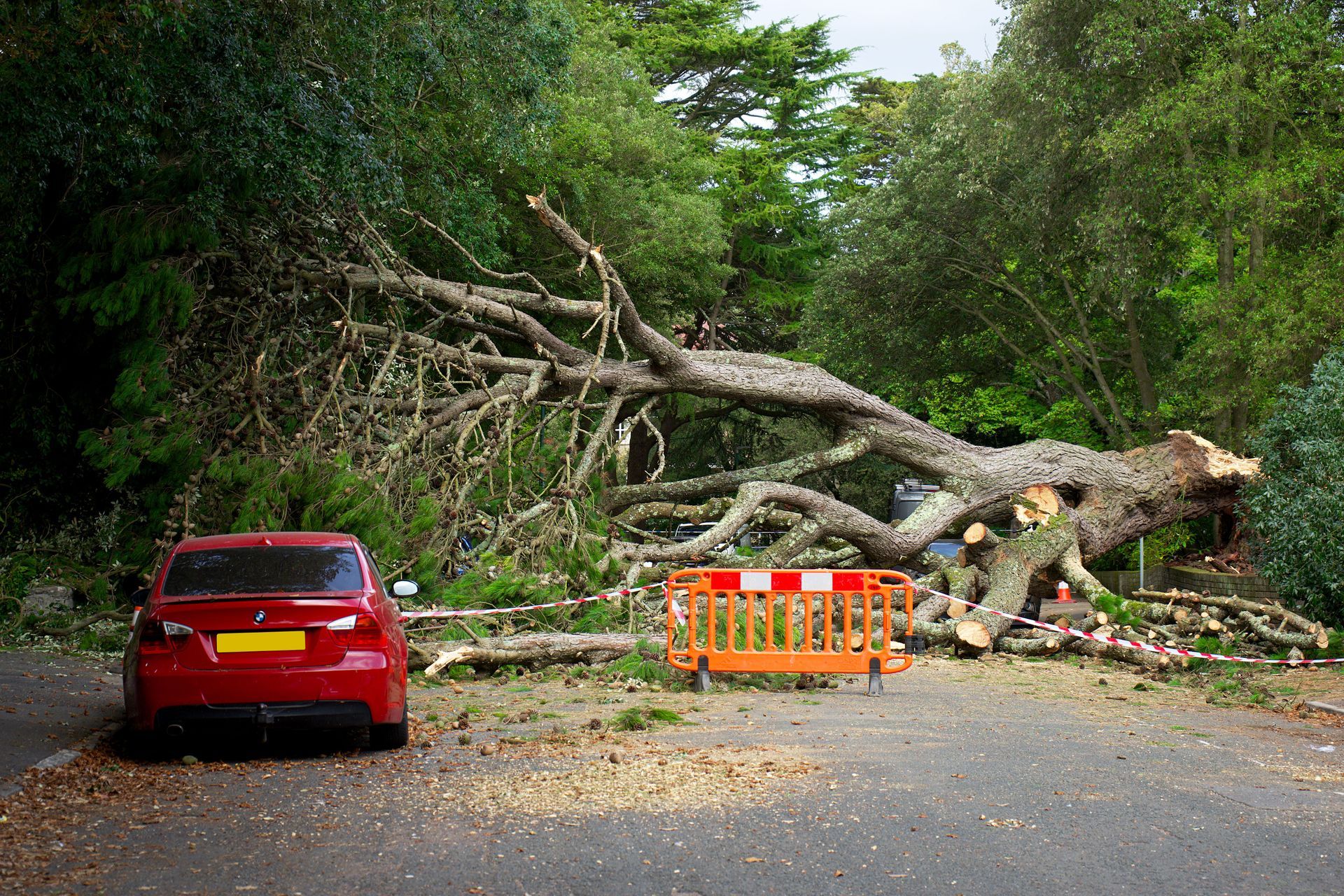
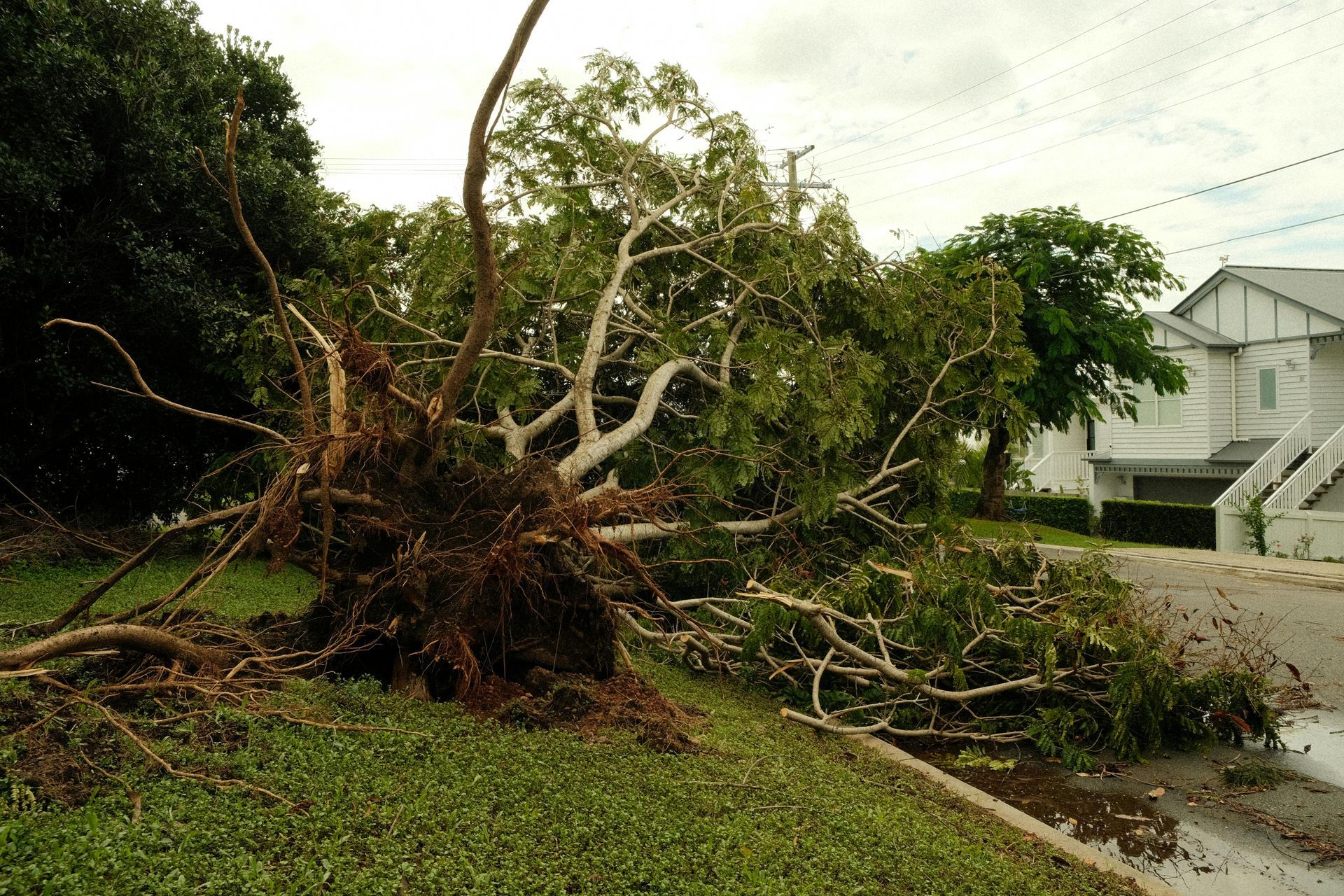
If a tree is causing immediate danger (like after a storm), you can usually remove it right away. For example:
- A tree that’s leaning over your house.
- A tree that’s fallen on a power line.
2. Certain Types of Trees
Some trees, like non-native species or those known for causing problems (such as invasive trees), may not need a permit. For instance, trees like the Bradford pear are often exempt from permitting rules.
3. Trees on Private Property
If the tree is entirely on your property and isn’t protected by any special rules, you might be able to remove it without a permit. Just remember, local regulations vary a lot, so it’s best to double-check.
How to Apply for a Tree Removal Permit
If you find out you do need a permit, here’s what you should do:
1. Gather the Documents
You’ll need things like:
- Photos of the tree to show its size and condition.
- An inspection report if the tree is damaged or diseased.
- Property details, including where the tree is located.
2. Fill Out the Permit Application
Most places have an application form you can fill out online or in person. You might also have to pay a fee, which usually ranges from $25 to $300, depending on the size of the tree.
3. What Happens Next?
- Inspection: An official may come to look at the tree.
- Approval or Rejection: If approved, you get your permit. If not, they might suggest a different approach, like trimming the tree instead.
What Happens If You Cut Down a Tree Without a Permit?
Skipping the permit process can get you into trouble. Here’s what could happen: hefty fines, required replanting, and even legal issues. It's important to be cautious and aware of the risks involved in cutting down a tree without a permit.
- Fines and Penalties: You might have to pay a hefty fine, especially if you remove a protected tree.
- Required Replanting: In some cases, you’ll need to plant new trees to replace the one you took down.
- Legal Issues: Neighbors or homeowners' associations could file complaints, and you could face legal consequences.
Following the rules helps avoid these problems and keeps your community looking its best. It also shows your responsibility and consideration towards the environment and your neighbors.
Why Hire a Professional Arborist for Tree Removal?
Hiring experts like Pelton's Tree and Land Services has a lot of benefits:
- They Know the Rules: Professionals understand local laws and can help you with the permit process.
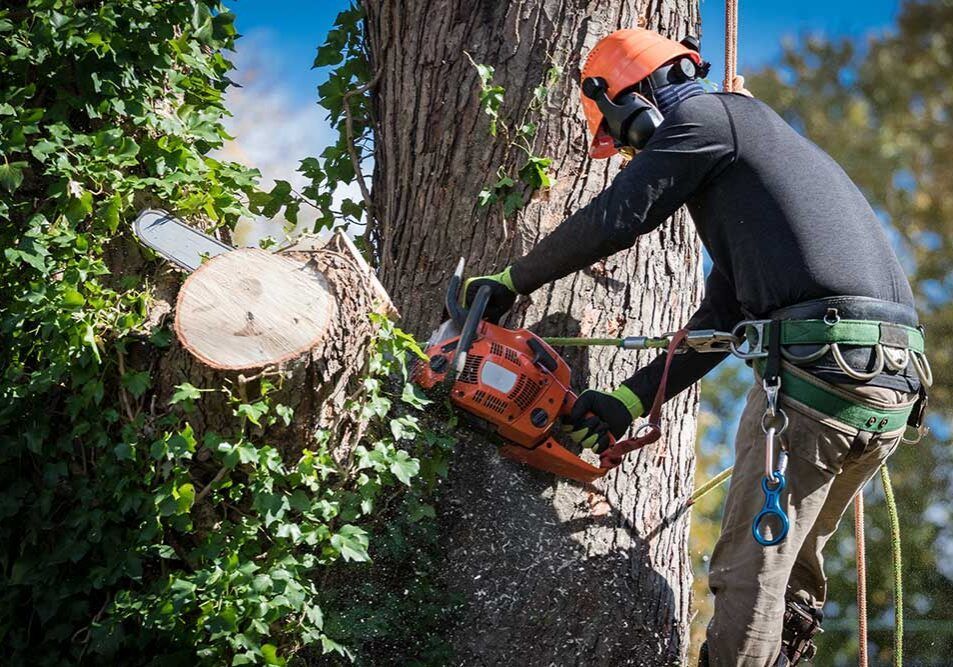
- They Keep It Safe: Tree removal can be risky, but licensed arborists have the tools and training to do it safely.
- Full-Service Help: From getting the permit to removing the tree and grinding the stump, they handle everything for you.
Conclusion
Before you remove a tree, it’s essential to find out if you need a permit. Checking local rules or getting advice from professionals can help you avoid fines and keep things safe. In Gautier, MS, Pelton's Tree and Land Services can guide you through the process with ease. Let us help you keep your property safe and beautiful!
FAQs: do you need a permit to remove trees
How much does it cost to get a tree removal permit?
Fees vary, but they’re usually between $25 and $300.
What if my permit is denied?
You might have to appeal or follow other steps, like trimming the tree instead of removing it.
Do I need a permit to trim a tree?
Generally, no, unless the tree is protected or trimming will significantly affect its health.
Do permit laws protect all trees?
No, non-native or invasive trees often don’t need a permit, but it’s always best to check local rules.
Can a licensed arborist help with the permit process?
Yes, experienced professionals like Pelton's Tree and Land Services can guide you through everything, including paperwork.