How to Remove a Palm Tree Safely and Efficiently
Palm trees can add beauty and charm to a landscape, especially in warmer climates like Mississippi. However, there are times when they need to be removed, either due to safety issues, disease, or landscape renovation. Removing a palm tree is a complex task, and understanding how to remove a palm tree correctly is crucial for safety and efficiency. This guide will provide a detailed overview of the process and explain why professional help from the experienced team at Pelton's Tree and Land Services in Gautier, MS, might be your best bet.
When Should You Consider Removing a Palm Tree?
Removing a palm tree isn't a decision to take lightly. Here are some everyday situations when removal may be necessary:
- Disease or Infestation: Palm trees are susceptible to specific diseases, such as lethal yellowing or Ganoderma butt rot. If the disease is advanced, the tree may need to be removed to prevent it from affecting other nearby trees.
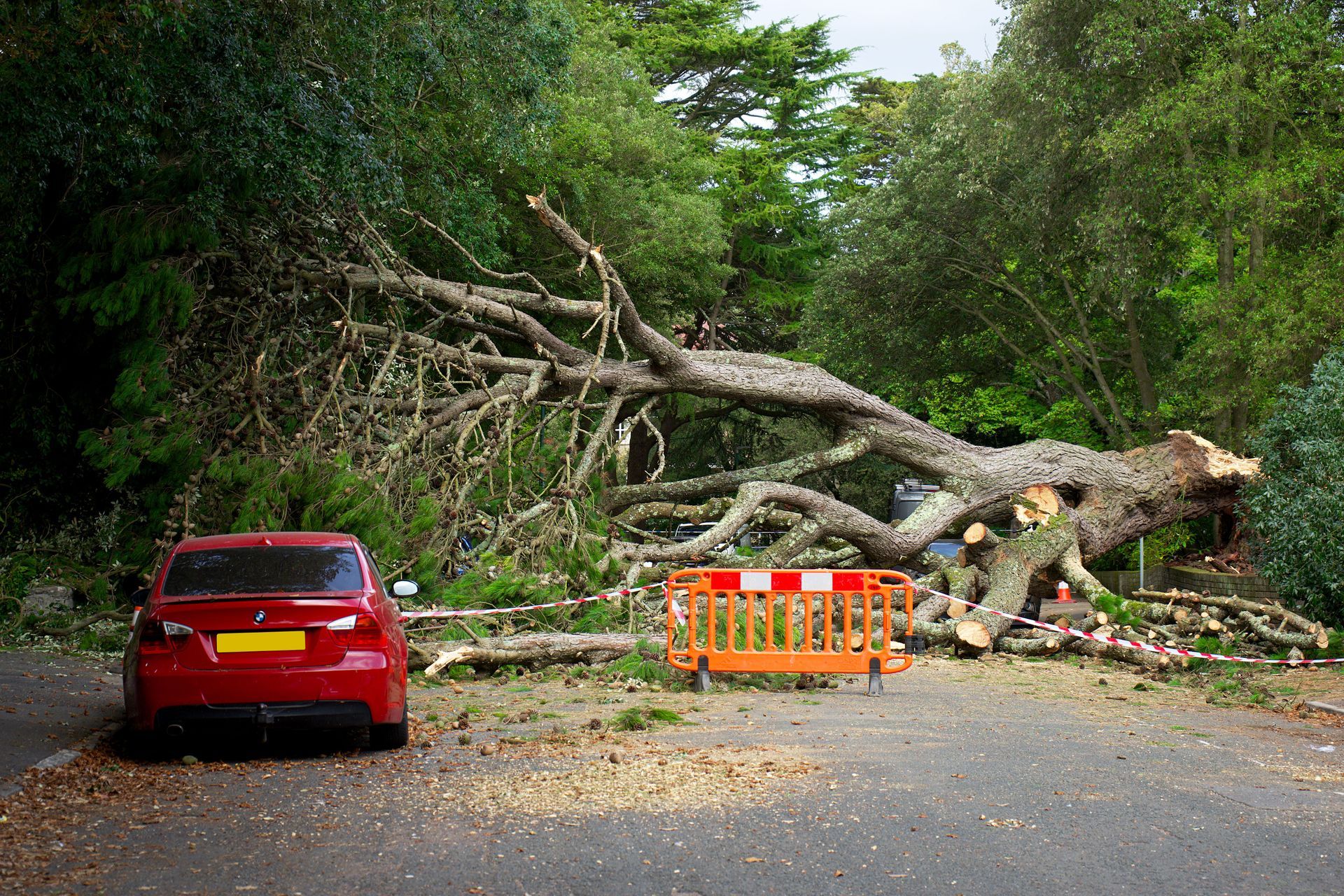
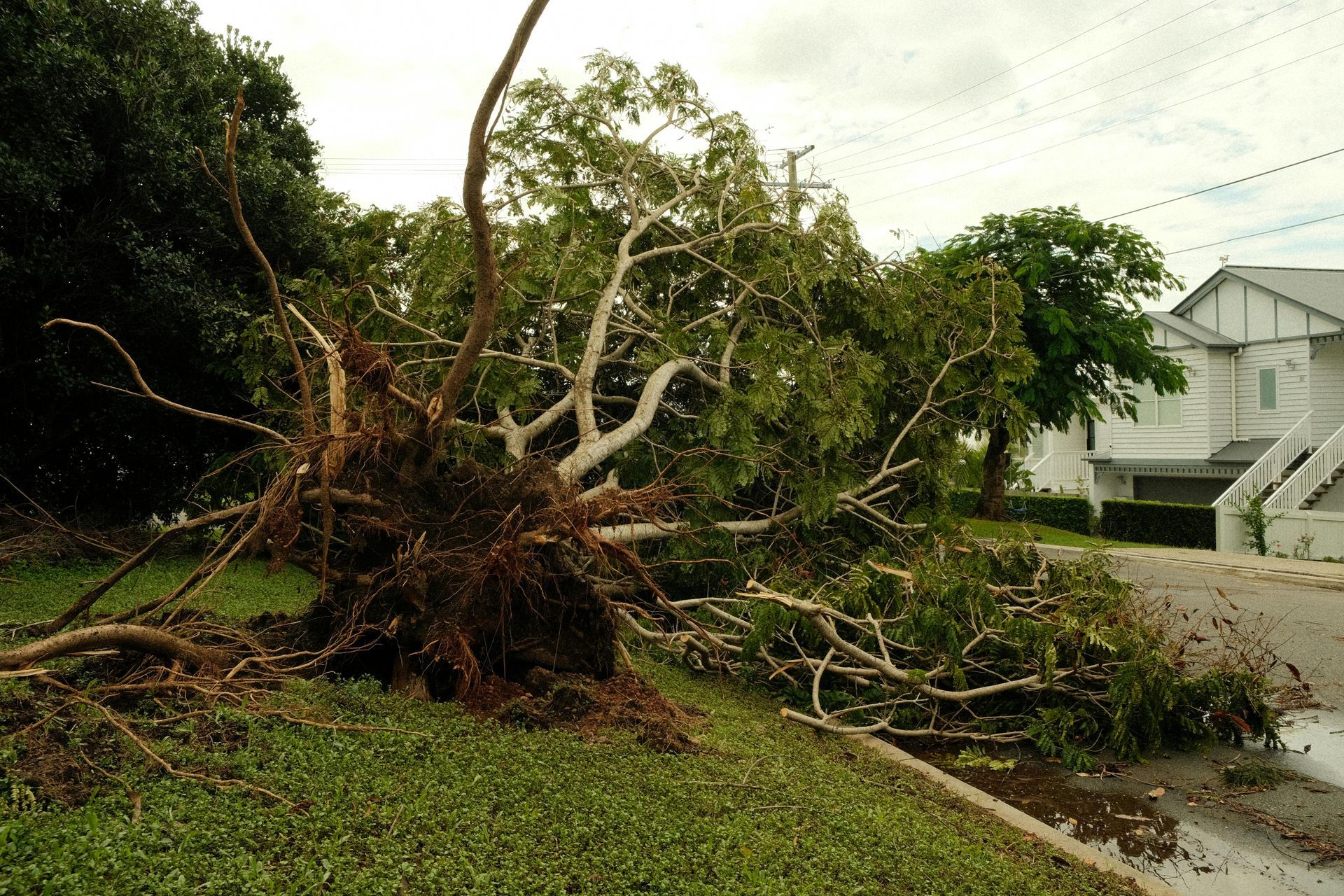
- Structural Damage: Damage from storms or high winds can make a palm tree unstable, posing a risk of falling.
- Obstruction or Interference: Palm trees located near power lines, buildings, or underground pipes can pose safety hazards or obstruct construction projects.
- Aesthetic or Landscape Changes: If you're redesigning your landscape, you may need to remove a palm tree that doesn't fit into the new design.
It's always best to evaluate the tree's health and condition with the help of a certified arborist. This step is crucial as it determines whether removal is necessary and ensures the safety and efficiency of the process.
Pros and Cons of Palm Tree Removal
Pros:
- Increased Safety: Removing a damaged or diseased palm tree eliminates the risk of it falling and causing damage or injury.
- Improved Landscape Aesthetics: Tree removal opens up space for new landscaping projects or other improvements.
- Prevention of Disease Spread: Taking down a diseased palm tree can help protect other trees in your yard.
Cons:
- Cost: Professional tree removal services can be expensive, especially for large palm trees.
- Environmental Impact: Removing a tree reduces the amount of shade and natural habitat for wildlife.
- Potential for Property Damage: Improper removal techniques can cause damage to your property or nearby structures.
While there are benefits and downsides to palm tree removal, the key is weighing these factors against your specific circumstances.
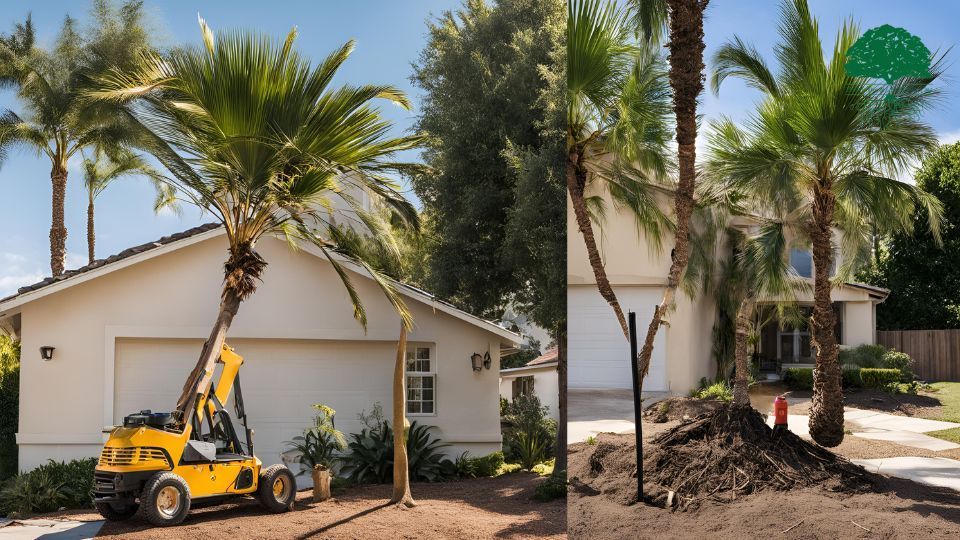
Tools and Safety Precautions for Palm Tree Removal
Removing a palm tree involves more than just cutting it down. Here’s a list of essential tools and safety measures to take before starting the project:
Required Tools
- Chainsaw or Handsaw: Depending on the tree's size and thickness.
- Safety Gear: Helmets, gloves, safety glasses, and steel-toe boots.
- Rope: To secure large branches or sections of the tree.
- Ladder: For accessing the higher parts of the tree.
- Stump Grinder: If you choose to grind the stump after removal.
Safety Precautions
- Wear protective gear: Always use the necessary protective equipment to avoid injuries from falling debris or sharp tools.
- Check local regulations: Some areas may require permits for tree removal, especially for more giant trees.
- Clear the area: Ensure the surroundings are free of people, pets, and valuables.
Note: Hiring professionals like Pelton's Tree and Land Services can ensure all safety standards are met.
Step-by-Step Guide on How to Remove a Palm Tree
Step 1: Inspect the Palm Tree
Carefully examine the tree for signs of disease, damage, or instability. Look for dead fronds, cracks in the trunk, or signs of rot. This will help you plan the safest approach for removal.
Step 2: Prepare the Area
Clear any obstacles around the tree's base and establish a safe fall zone. Ensure there's enough space for sections of the tree to fall without hitting structures or power lines.
Step 3: Cut Down the Palm Tree in Sections
- Trim the Fronds: Start by removing the top fronds to reduce the tree's overall weight and control the direction of the fall.
- Cut the Trunk into Sections: Work from the top down, cutting the trunk into manageable sections. If using a ladder, make sure it is stable and secure.
- Secure with Rope if Necessary: For large sections, use a rope to guide the fall direction or lower the pieces safely.
Step 4: Stump Removal and Grinding
After the tree is removed, the stump needs to be dealt with. Here are the three main methods:
- Manual Digging: Ideal for smaller stumps but labor-intensive.
- Stump Grinding: A faster method that uses a machine to grind the stump below ground level.
- Chemical Treatment: Chemicals can accelerate stump decay, but this process takes time and is less eco-friendly.
Pelton's Tree and Land Services offers professional stump grinding services to ensure a smooth and hazard-free yard.
Why Hire a Professional Arborist for Palm Tree Removal?
Attempting to remove a palm tree without proper experience can be dangerous. Here’s why hiring a licensed professional like Pelton's Tree and Land Services in Gautier, MS, is beneficial:
- Expertise and Efficiency: Professional arborists have the skills to handle tree removal efficiently and safely.
- Proper Equipment: Arborists come equipped with specialized tools to get the job done right.
- Adherence to Regulations: Knowledge of local regulations and permits can prevent legal issues.
- Post-Removal Cleanup: Professionals not only remove the tree but also handle the cleanup, stump grinding, and disposal.
What to Do After Palm Tree Removal
Now that the palm tree is gone consider the following options for utilizing the space and disposing of the tree:
Landscaping Ideas
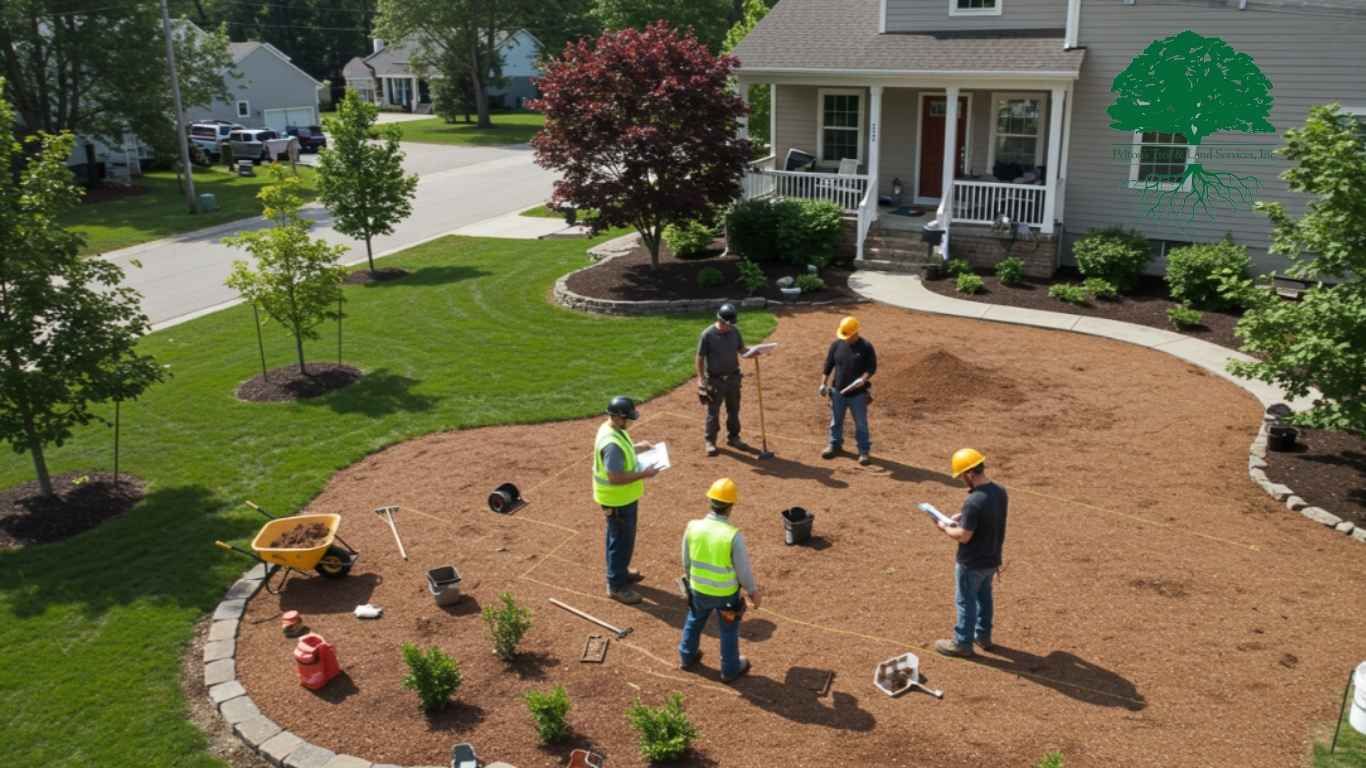
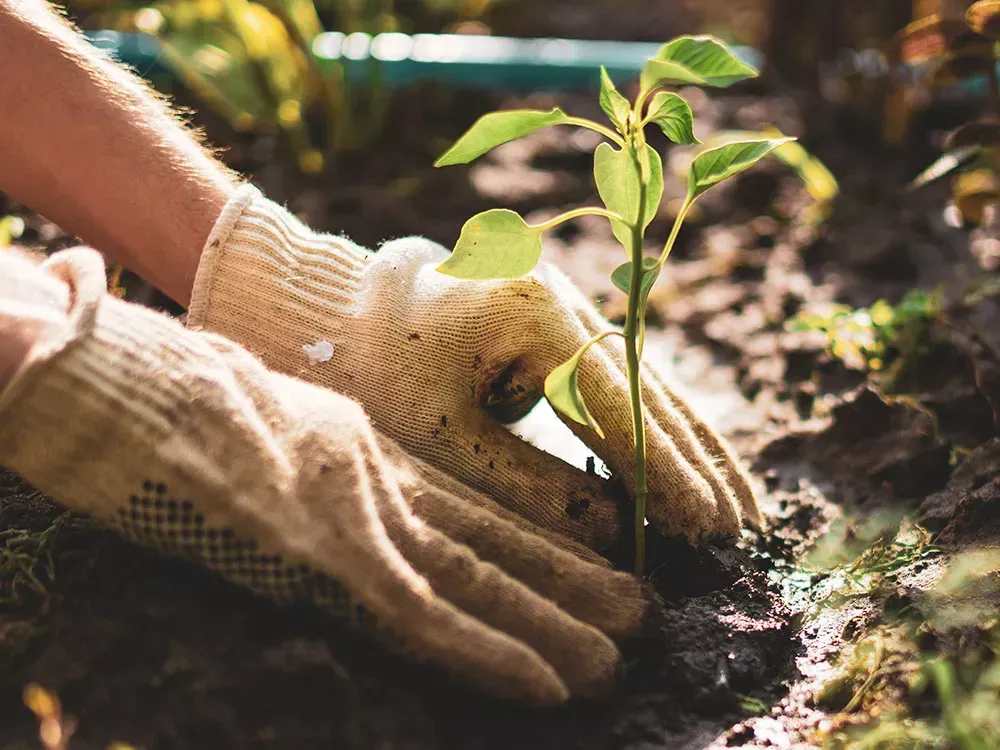
- Plant a New Tree or Garden: Enhance your yard with a new tree or create flower beds. Pelton’s Tree and Land Services provides landscaping services to help you redesign the area.
- Add a Patio or Outdoor Feature: Make use of the open space by installing a patio, seating area, or water feature.
Recycling the Tree
- Wood Milling: At Pelton's, we offer wood milling services to turn the removed palm into valuable products like rough-cut lumber or wood slabs.
- Use for Mulch or Firewood: Recycle the tree by turning it into mulch for landscaping or firewood for your home.
Conclusion
Palm tree removal can be a daunting task, especially if the tree is large or near structures. Understanding the process and weighing the pros and cons can help you make the right decision. Remember, hiring a professional arborist like Pelton's Tree and Land Services ensures the job is done safely and efficiently. They have over 25 years of expertise in Gautier, MS. Their guidance can provide you with the reassurance you need during this process.
FAQs How to remove a palm tree
Can I remove a palm tree myself?
Yes, but it's recommended to hire a professional for more giant trees or challenging locations. Safety and proper technique are crucial.
How much does it cost to remove a palm tree?
The cost varies based on the tree’s size, condition, and location. Pelton’s Tree and Land Services provides free estimates.
Is palm tree stump removal necessary?
While not mandatory, removing the stump prevents regrowth and improves the yard's aesthetics. Stump grinding is a popular method.
How long does it take to remove a palm tree?
The time depends on the size and location. Typically, a professional can remove a palm tree within a few hours.
What should I do with a diseased palm tree?
If a palm tree is diseased, removal is often necessary to prevent the disease from spreading. Consult with Pelton's Tree and Land Services for expert advice.