Emergency Tree Service: When a Storm Hits
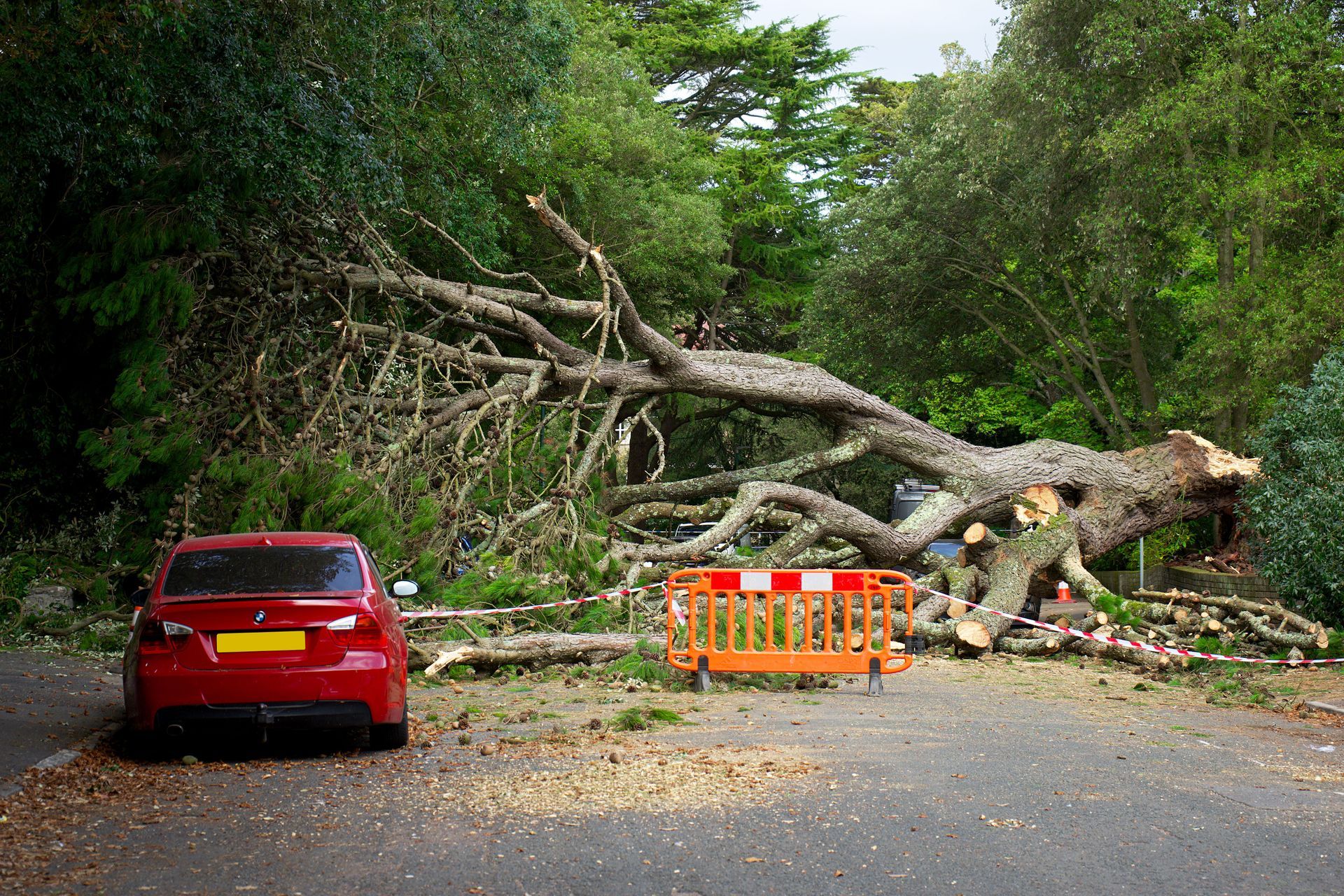
The Gulf Coast doesn't warn you twice. One hour a storm is a name on a weather map — the next, it's tearing through Gautier and Pascagoula with wind gusts strong enough to send a 60-foot oak through your roof. When that happens, the last thing you need is uncertainty about who to call.
At Pelton's Tree & Land Services, we've been responding to storm emergencies across Gautier, Pascagoula, Jackson, and Harrison County for over 27 years. Our team of ISA Certified Arborists knows exactly what to do in the hours and days after a storm — and more importantly, what not to do. If a tree came down on your property last night, this guide is for you.
Storm damage on your property? Don't wait.
Call Pelton's now: (228) 497-6107 | Free estimates available
The First 15 Minutes After a Storm
Your instinct after a storm is to rush outside and survey the damage. We understand — your home, your car, your yard matter to you. But the 15 minutes after a major storm passes are among the most dangerous moments for a homeowner, and what you do (or don't do) in that window can mean the difference between a manageable cleanup and a serious injury.
Stay inside until it's truly over
Gulf Coast storms are notorious for brief lulls followed by a second surge of wind. Don't assume the storm has passed just because the rain slows. Wait for an official all-clear or monitor a local weather service before stepping outside.
Assess from a distance — never touch a downed tree near power lines
If you can see a tree or large limb on or near power lines from a window or doorway, treat every downed line as live and energized. Keep a minimum of 30 feet between yourself and any downed utility line. Contact Mississippi Power or your utility provider immediately, and do not let anyone — including family members or neighbors — approach that area.
Document the damage for insurance
Before any cleanup begins, take photographs and video of all damage from a safe distance. Capture the fallen tree, any structural contact points (roof, fence, vehicle), and surrounding debris. This documentation will be critical when you file a homeowner's insurance claim.
Call a certified professional right away
Time matters after storm damage. A tree that is partially on your roof, leaning against your house, or hanging over a fence is not stable — it is actively threatening further damage with every breeze. The sooner a qualified arborist assesses the situation, the better protected your property will be.
🌿 Expert Tip from Pelton's ISA Arborists
A tree that appears to have 'just fallen over' may have significant root damage underground. Never assume a fallen tree is fully stable until a certified arborist has evaluated it. Hidden root failure can cause secondary shifts hours after the initial fall.
Signs You Need Emergency Tree Removal
Not every tree that loses a branch needs an emergency call — but knowing the difference between 'monitor it' and 'call now' can protect your family and your home. Here are the situations that qualify as genuine emergencies:
- Tree or major limb on your home, garage, or outbuilding. Any tree that has made contact with a structure requires immediate professional assessment. Do not attempt to pull, cut, or shift it yourself — weight distribution on a roof can change dramatically when the wood shifts.
- Tree on or touching your vehicle. Your insurance adjuster will likely want to see the tree in place before removal, so call your insurer and your arborist simultaneously.
- Completely uprooted tree (full root ball exposed). A fully tipped tree has severed its anchoring root system. It is structurally unpredictable and should be treated as unstable until removed.
- Major trunk split or crack. A crack running down the main trunk signals structural failure. Even if the tree is still standing, it can drop without further warning.
- Hanging 'widow-maker' limbs. Large broken limbs suspended in the canopy — held in place only by bark or smaller branches — are called widow-makers for a reason. Wind, rain, or even the weight of accumulated debris can dislodge them at any moment.
- Any tree contact with power lines. This is always an emergency. Call your utility provider and Pelton's simultaneously.
- Blocked driveway or emergency egress. If a fallen tree is blocking you from leaving your property in an emergency, that is a priority removal.
Why You Should Never DIY Storm Tree Removal
After a storm, hardware stores sell out of chainsaws. We see it every hurricane season. And every hurricane season, emergency rooms see a surge in chainsaw injuries and crush trauma from fallen wood. We say this not to alarm you — but because we care about your safety, and DIY storm tree removal is genuinely dangerous, even for experienced homeowners.
Storm-damaged trees behave unpredictably
A tree that looks stable on the surface may have invisible cracks, internal rot, or root damage that causes it to shift suddenly when cut. Professional arborists are trained to 'read' a tree before making a single cut — assessing lean direction, tension, compression, and root integrity to determine the safest removal sequence.
Chainsaw cuts under tension can kick back violently
When a limb or trunk is under pressure — pinned beneath another tree, for example, or bent against a structure — cutting it releases that tension in an unpredictable direction. This is one of the leading causes of serious chainsaw injuries, and it requires specific techniques that most homeowners have never learned.
Power line contact changes everything
If any part of the tree is within reach of a power line, do not touch it. Period. Even lines that appear dead can carry current. Utility clearance is required before any arborist — including our own team — will work in proximity to energized lines.
Your insurance may not cover DIY removal damage
If you attempt to remove a storm-damaged tree yourself and cause additional damage to your home or a neighbor's property in the process, your homeowner's insurance may deny the claim. Professional removal with a licensed, insured contractor provides a paper trail that protects you.
🏅 Why It Matters: ISA Certification
Pelton's Tree & Land Services has two ISA Certified Arborists on staff. ISA (International Society of Arboriculture) certification requires demonstrated expertise in tree biology, risk assessment, safe removal, and proper pruning techniques. When you call Pelton's after a storm, you're not getting laborers with chainsaws — you're getting credentialed tree care professionals.
What Happens When You Call Pelton's After a Storm
We know that in an emergency, the last thing you want is to navigate a complicated process. Here's exactly what to expect when you call Pelton's Tree & Land Services:
- Rapid response dispatch. We prioritize storm emergency calls and work to get our crew on-site as quickly as possible. The sooner we can assess the situation, the better.
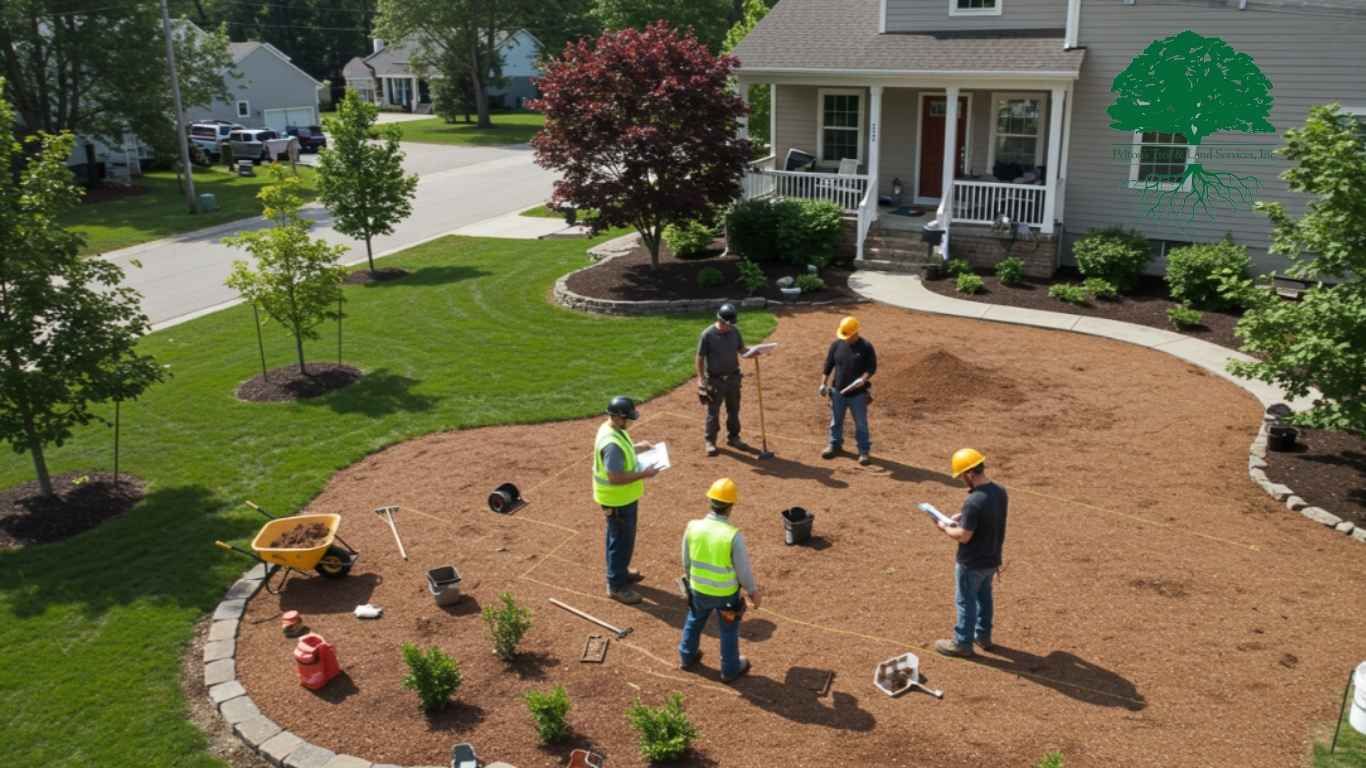
- ISA arborist risk assessment. Before any cutting begins, one of our certified arborists evaluates the full situation — the tree's structural integrity, the risk to your home, utility proximity, and the safest removal sequence.
- Safe, systematic removal. Our team uses professional-grade rigging, lowering systems, and cutting techniques to remove storm-damaged trees in a controlled manner, minimizing risk to your property.
- Debris cleanup and hauling. We don't just cut the tree down and leave. Pelton's handles the debris — limbs, sections, and wood chips — so your property is clean when we're done.
- Insurance documentation support. We can provide written assessments and documentation to assist with your homeowner's insurance claim.
- Free estimate before work begins. We believe in transparency. You'll know the scope and cost before our crew lifts a chainsaw.
Ready to get your property cleared?
Call (228) 497-6107 or visit peltonstreeservices.com/contact-us for your free estimate
Protecting Your Property Before the Next Storm
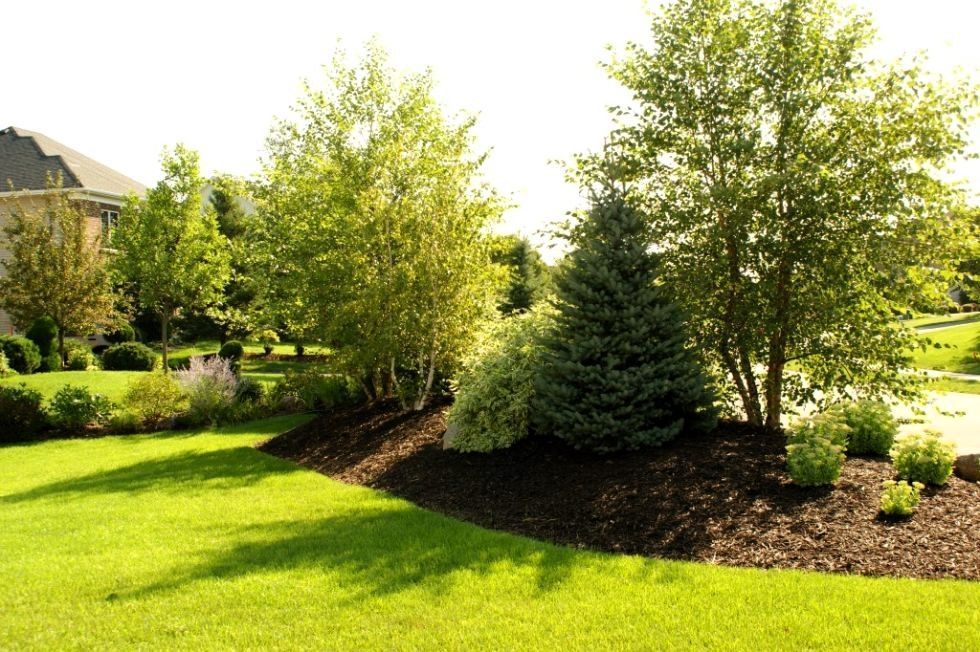
The best time to think about storm damage is before the storm arrives. Proactive tree care is one of the most cost-effective investments a Gulf Coast homeowner can make — a single preventive trimming session costs a fraction of emergency removal after a failure.
Schedule a pre-storm tree inspection
Our ISA-certified arborists can walk your property and identify trees with structural weaknesses, dead wood, co-dominant stems, or disease that make them likely to fail in high winds. Addressing those issues in advance is far less expensive — and far safer — than emergency removal after the fact.
Dead wood removal
Dead branches and limbs are the first things to fall in a storm. Removing them during calm conditions is straightforward. Removing them after they've landed on your roof is not. We recommend a canopy inspection and dead wood removal every 1–2 years for trees near structures.
Structural pruning for wind resistance
Properly thinning a tree's canopy allows wind to pass through rather than push against it — reducing the load on the root system and lowering the risk of failure. This is a nuanced skill that requires an arborist's eye; over-thinning can stress a tree just as much as leaving it overgrown.
Tree health care
A healthy tree is a resilient tree. Pelton's plant health care services — including soil aeration, fertilization, and pest management — help your trees develop the strong root systems and structural integrity that allow them to weather Gulf Coast storms season after season.
Don't Wait — Call Pelton's Now
Storm damage is not a wait-and-see situation. A tree on your roof is actively stressing your structure with every shift of the wind. A hanging limb over your driveway is a threat to everyone who passes beneath it. And a tree leaning against your fence will eventually come down — the question is only whether it comes down on your schedule or the storm's.
Pelton's Tree & Land Services has been the Gulf Coast's trusted tree care partner for over 27 years. Our two ISA Certified Arborists bring the knowledge, credentials, and experience to handle your emergency safely and efficiently — and our free estimate policy means you'll never be surprised by the bill.
We serve Gautier, Pascagoula, Jackson, Harrison County, and surrounding communities across Mississippi.
Call Pelton's 24/7 for Storm Emergencies
(228) 497-6107 | Free Estimates | ISA Certified Arborists | 27 Years Serving Gulf Coast MS