How to Find a Good Tree Removal Service
Selecting a reputable tree removal service is essential for the safety, health, and aesthetics of your property. Whether you're dealing with a potentially hazardous tree or simply need to clear space for new landscaping, the choice of a tree removal company should not be taken lightly. This comprehensive guide is designed to equip you with the knowledge and tools needed to find a tree service that meets your needs, adheres to professional standards, and provides value for money.
Discover the most effective strategies for selecting the best tree removal service, ensuring your property's safety, enhancing its aesthetic appeal, and maintaining the health of your landscape.
Understanding Your Needs
The first step in finding a good tree removal service is to clearly define your specific needs. Are you looking for complete tree removal, or do you need pruning and maintenance to enhance tree health and safety? Understanding the scope of the work allows you to communicate effectively with potential service providers and helps them offer accurate quotes and service recommendations.
Seeking Recommendations
Gathering recommendations from people you trust is a vital step in the selection process. Reach out to friends, family, and neighbors who have recently used tree removal services. Personal experiences shared by reliable sources can lead you to professional companies that have demonstrated competence and reliability in their past projects.
Evaluating Credentials
When evaluating potential tree removal services, it's crucial to check their professional credentials. Certification from the International Society of Arboriculture (ISA) or similar bodies indicates a dedication to industry standards and ongoing professional development. Additionally, verify that the company holds the necessary local and state licenses, ensuring they are legally authorized to perform tree removal services in your area.
Reading Reviews and Testimonials
Investigate the company’s reputation by reading online reviews and testimonials from past clients. Platforms like Angi, Yelp, and the Better Business Bureau provide insights into the company's reliability, customer service quality, and how they handle disputes or complaints.
Getting Multiple Estimates
Obtaining estimates from at least three different companies is crucial for comparative purposes. This not only allows you to understand the pricing landscape but also gives you insights into the breadth of services each company offers. Ensure that these estimates are provided in writing to avoid any future discrepancies or misunderstandings.
Assessing Insurance and Safety Policies
Confirm that the tree service you consider hiring has comprehensive insurance coverage, including liability and workers' compensation insurance. This is essential to protect yourself from liability in case of accidents or damage to your property. Furthermore, inquire about their safety policies and measures to ensure a safe work environment on your property.
11 Tips to Find a Good Tree Removal Service
Navigating the world of tree removal services can be as tricky as the trees are tall. Whether you're looking to remove a diseased tree or simply clear space for that new garden, knowing how to pick the right tree service is essential. This guide offers 11 critical tips to help you choose a reliable tree removal service that meets your needs and ensures the safety and beauty of your property.
1. Create a Plan
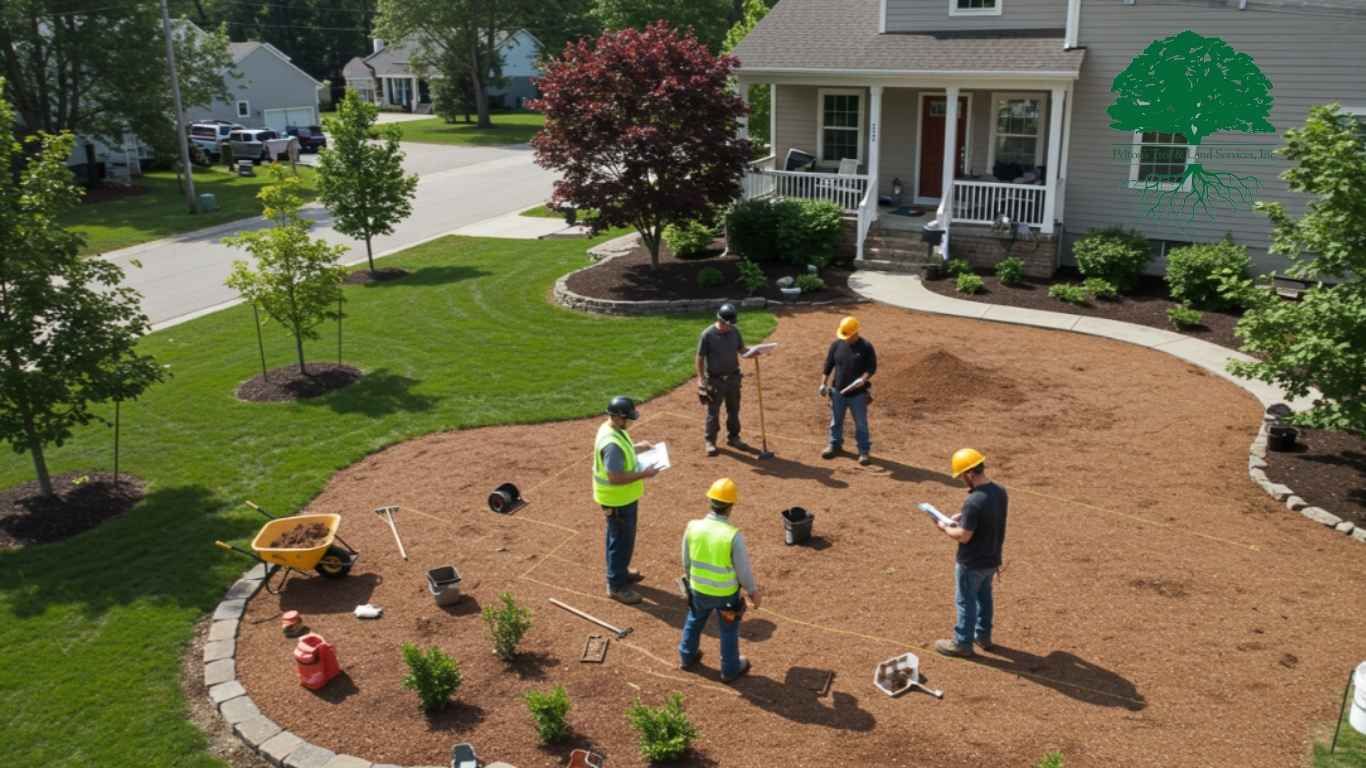
Think of hiring a tree removal service like you would a home remodeling contractor. Just as you would envision your renovated space, imagine how you want your landscape to look post-service. Whether it involves removing multiple trees or just pruning a few branches for better growth and appearance, having a clear plan in place can guide your discussions with potential service providers.
2. Ask Neighbors and Friends
Your first reliable source for finding a good tree service are people you trust who have had similar work done. Inquire about the services they used, the quality of the work, their overall satisfaction, and whether they would recommend the service provider.
3. Get Three Estimates
Always get multiple estimates to better understand the cost and scope of services offered. This will also ensure you are getting a fair price. Make sure the tree service companies visit your property to assess what needs to be done so they can provide accurate estimates.
4. Check Referrals and Reviews
Referrals from past customers can provide real insight into a company's work ethic and customer satisfaction. Additionally, check online reviews on sites like Angi and the Better Business Bureau to see how the company handles complaints and interacts with customers.
5. Verify Credentials
Ensure the tree service has the necessary professional credentials, which could include certifications from the International Society of Arboriculture (ISA), Certified Tree Care Safety Professional certification, or accreditation from the Tree Care Industry Association. Verification of these credentials can typically be done through the organization’s website.
6. Check Insurance and Licenses
Verify that the tree service has all necessary licenses and insurance, including a state business license, local business license, contractor license, and any required registrations. Insurance should cover general liability, professional liability, and workers’ compensation.
7. Create a List of Questions to Ask Your Pro
Prepare a list of detailed questions about their service approach, including tree removal methods, equipment used, steps taken to protect your property, and whether additional services like stump grinding and debris removal are included or cost extra.
8. Get Quotes in Writing
Obtain written quotes from each service provider. These should detail the scope of the project and the included services, which will be crucial if unforeseen circumstances affect the project scope.
9. Avoid Abnormal Price Quotes
Be wary of quotes that are significantly lower or higher than what is typically offered. Extremely low bids might indicate low-quality service or hidden costs, while very high quotes should be justified by exceptional service or specialty offerings.
10. Use Caution in Emergencies
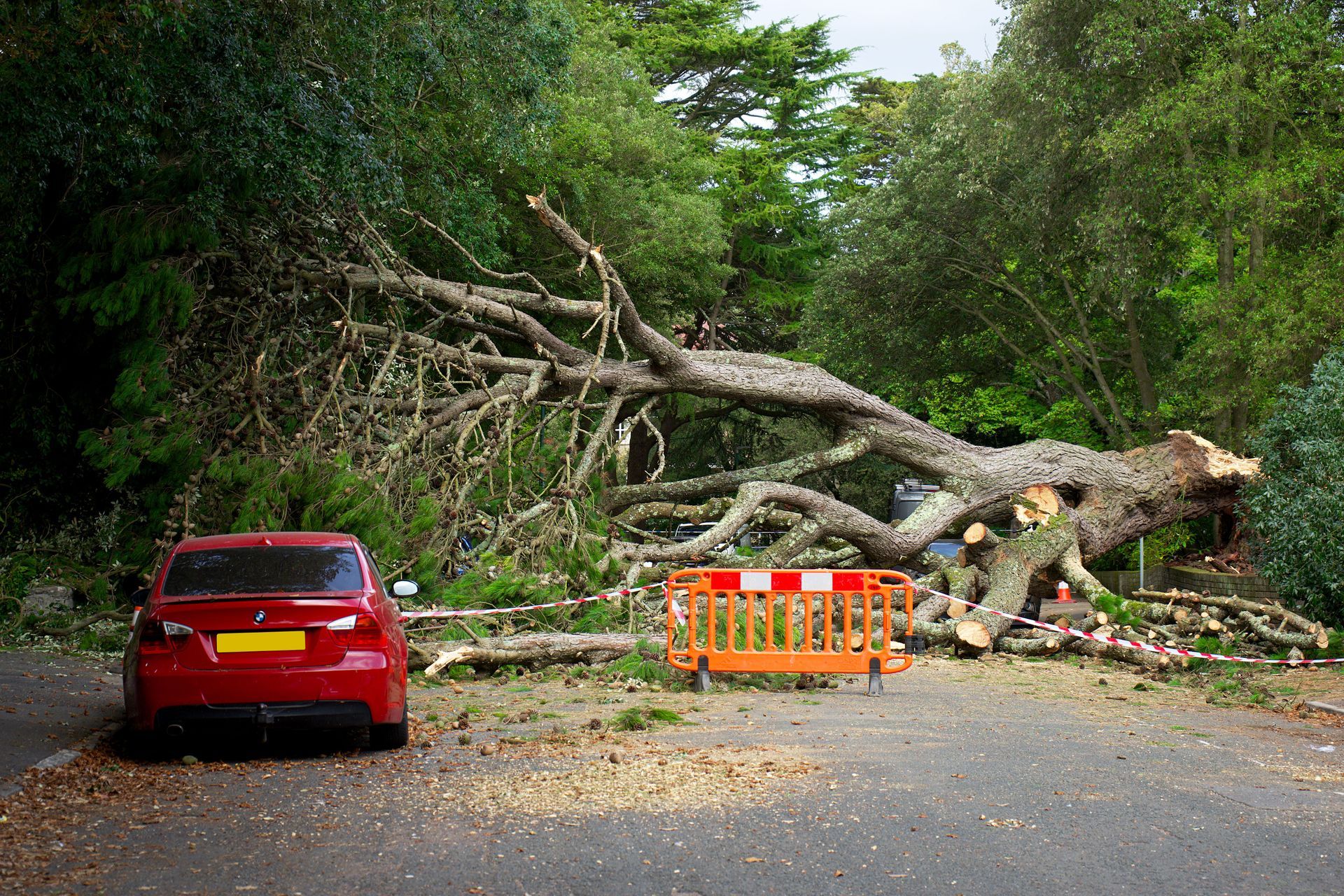
In emergency situations, such as after a storm, be cautious of tree services that may exploit your urgent need for quick tree removal. Check with your homeowner's insurance for recommended contractors who are known for reliable emergency services.
11. Hold Payment Until Completion
Do not pay in full until the job is completed to your satisfaction. For larger projects, a deposit may be required, but the final installment should only be paid after you have thoroughly inspected the work and approved of the outcome.
Conclusion
Choosing the right tree removal service involves careful consideration of several factors. By conducting thorough research and asking the right questions, you can ensure that you select a reliable, professional service that meets your needs and protects your property.
FAQ Section
What is the average cost of tree removal?
The cost of removing a tree can vary significantly depending on several factors such as the size of the tree, its location, and its health. Generally, homeowners can expect to pay between $400 and $1,000 for tree removal, with prices increasing for larger or more hazardous trees. It's important to get multiple quotes to find the best price and service for your specific situation.
How much of a tree can be safely removed without harming it?
Removing more than 25% of a tree's canopy at once can significantly harm its health. It's recommended to limit pruning to smaller portions spread over several years. This practice helps maintain the tree's structural integrity and health, preventing stress that can lead to disease or pest infestations.
Should I remove a tree close to my house?
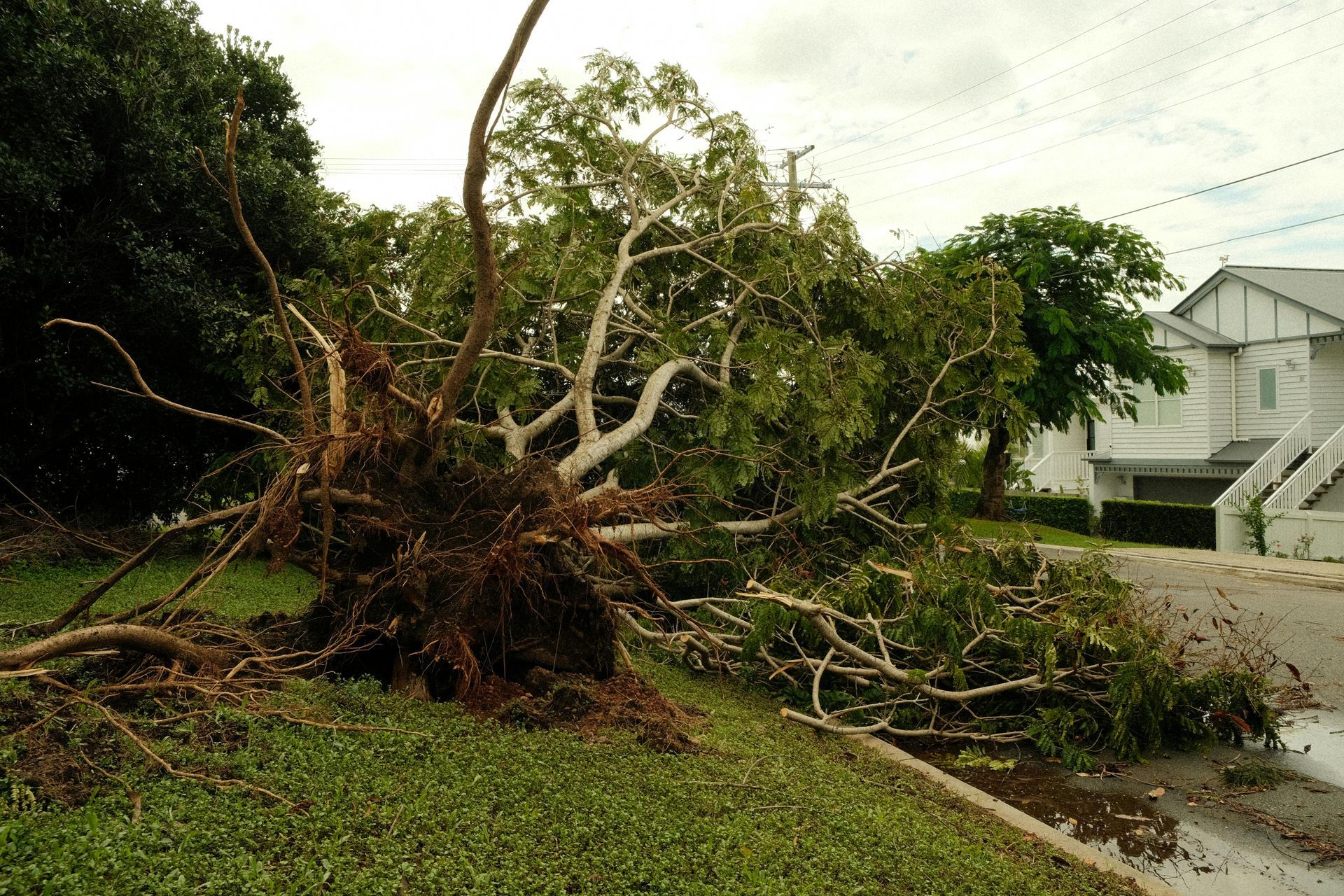
Trees that are too close to buildings can pose significant risks, including structural damage from roots or falling limbs. If a tree is within falling distance of your home, particularly if it shows signs of disease or instability, it is wise to consider removal. Always consult with a professional arborist to assess the risk accurately before making a decision.
What is the best time of year for tree removal?
The ideal time for tree removal is during the tree's dormant season, typically late winter or early spring. During this time, the lack of leaves simplifies the removal process and minimizes stress on any remaining vegetation. Additionally, softer ground in spring can make the removal of stumps and roots easier.