Who Is Responsible For Fallen Tree Removal
Fallen trees can pose significant hazards, including personal injury and property damage. Knowing who is responsible for tree removal is crucial to ensure safety and proper handling of the situation. This article delves into the key factors that determine responsibility for fallen tree removal, including tree ownership, the cause of the fall, and relevant local laws.
Determining responsibility for fallen tree removal depends on tree ownership, the cause of the fall, and local laws, ensuring you know your liabilities and protections.
Risks and Hazards of Fallen Trees
Personal Injury
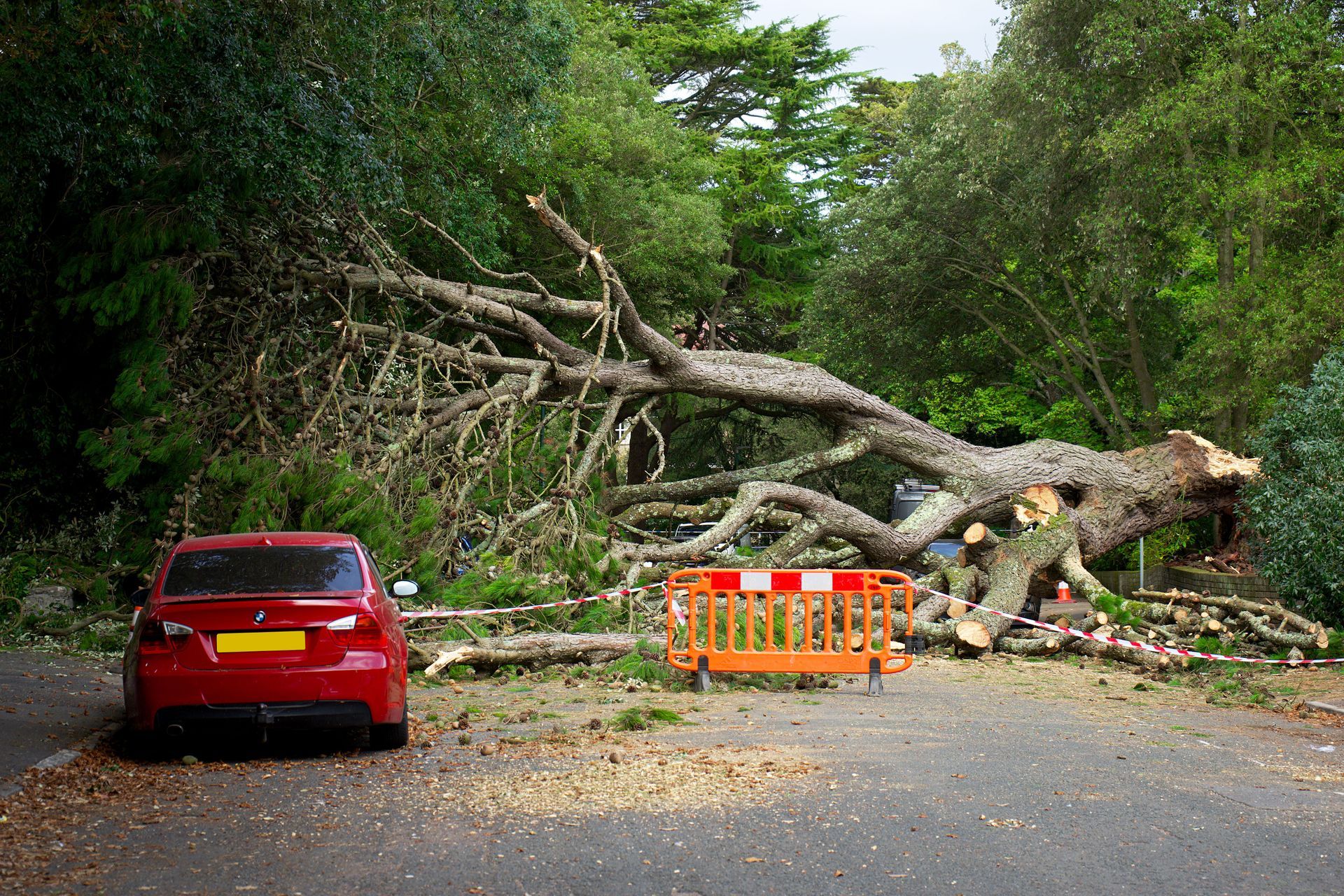
Fallen trees can cause serious injuries, especially if they fall unexpectedly. Branches can hit individuals, causing physical harm, or trap them underneath, leading to severe injuries or even fatalities. The immediate risk to life and limb makes it crucial to address fallen trees promptly and safely.
Property Damage
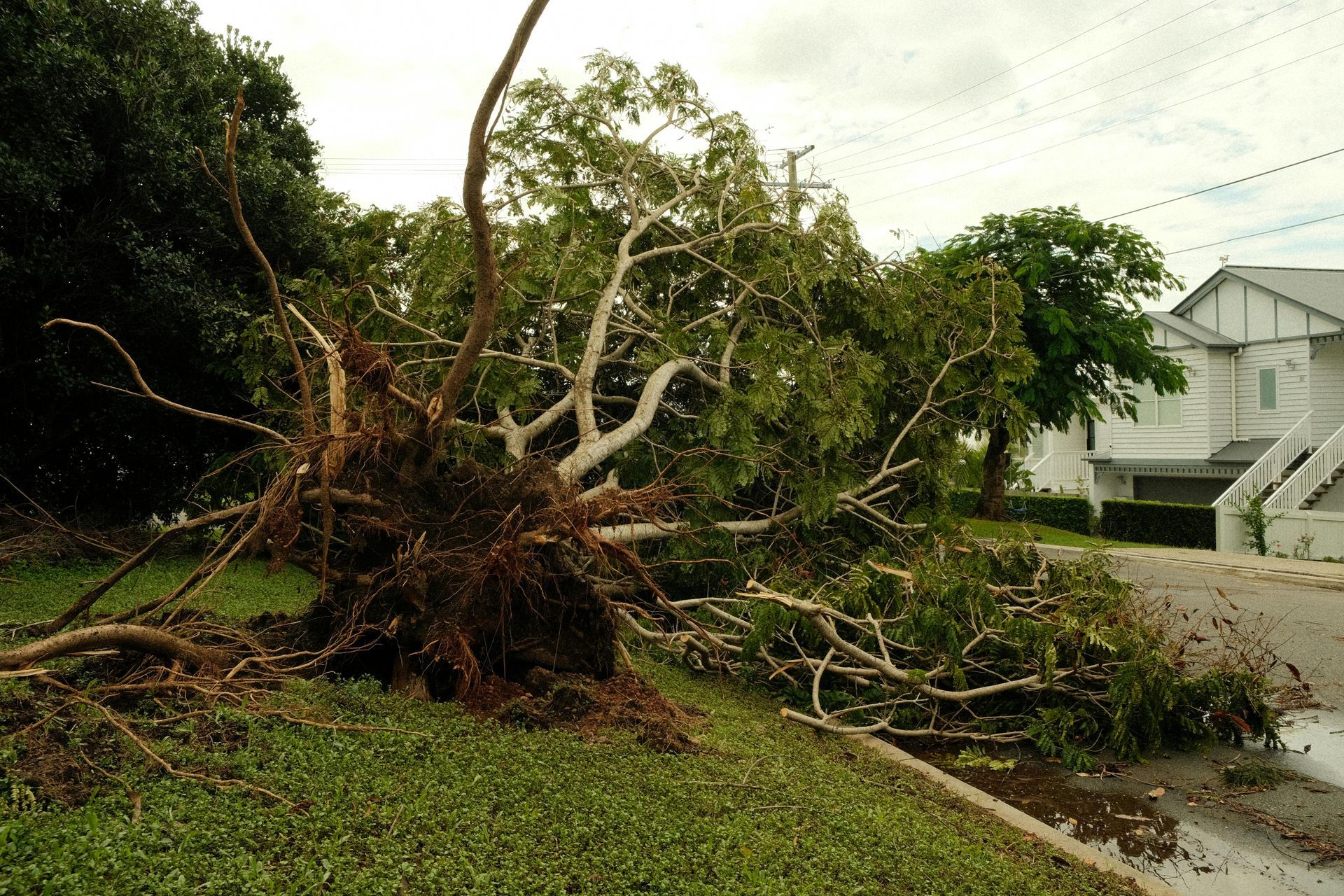
Fallen trees can damage homes, vehicles, power lines, and other structures. The financial impact can be significant, requiring repairs or replacements that are costly and time-consuming. A large tree falling on a house can cause structural damage, break windows, and even render the home uninhabitable until repairs are made.
Safety Measures
If a tree falls on your property, immediately evacuate the area and contact emergency services if there are any injuries. If the tree affects power lines, maintain a safe distance and call your local power company for assistance. Never attempt to remove a tree from power lines yourself, as this can be extremely dangerous.
Determining Tree Ownership and Responsibility
Whose Tree Is It?
Your Tree
A tree with its trunk rooted within your property lines is considered your tree. You are responsible for its maintenance and removal if it falls. Ensuring regular inspections and care can prevent many issues related to tree health and stability.
Neighbor’s Tree
A tree with its trunk rooted within your neighbor’s property lines belongs to them. If it falls onto your property, your neighbor is typically responsible for its removal, especially if negligence is involved. Communication with your neighbor about potential risks can help address problems before they lead to damage.
Shared Trees
Trees with trunks growing directly on the property line are considered shared trees. Responsibility for removal and maintenance is shared between you and your neighbor. Legal agreements or understanding can help manage these trees effectively, avoiding disputes.
Natural Causes vs. Negligence
Natural Causes
If a tree falls due to natural causes, such as storms, high winds, or other unavoidable events, it is generally considered an "act of God." In such cases, the owner is not held responsible for the damage. Understanding your homeowner's insurance policy is essential to know what coverage you have in these situations.
Negligence
If a tree falls due to negligence, such as lack of maintenance, disease, or pest infestation, the owner of the tree is liable for any damage caused. Regular inspections and proper tree care can help prevent such incidents. Documentation of maintenance activities can be useful in proving diligence and avoiding liability.
State-Specific Tree Laws and Regulations
California
In California, proper maintenance absolves liability for damage caused by natural events. However, the owner is liable if the tree falls due to negligence. Regular tree inspections and care are crucial in this state to prevent liability for fallen trees.
New York
New York law provides compensation for damaged trees and emphasizes the responsibility of maintaining trees to prevent damage to neighboring properties. Understanding local ordinances and property rights is vital for tree owners in New York.
North Carolina
North Carolina protects private property trees and considers unauthorized cutting or damage as trespassing. Legal remedies are available for tree owners to seek compensation. Being aware of your rights and responsibilities as a tree owner can help avoid conflicts and legal issues.
Mississippi
Mississippi law mandates double compensation for unauthorized tree removal or damage, emphasizing the importance of respecting property lines and tree ownership. This strong legal stance helps protect tree owners and ensures fair compensation for damages.
Homeowners Insurance and Fallen Trees
Coverage for Natural Causes
Homeowners insurance generally covers the cost of removing fallen trees and repairing damage if the fall was due to natural causes. This includes coverage for damage to shared structures, like fences, with costs often split between the neighbors' insurance policies. Understanding the specifics of your policy can help you navigate claims more effectively.
Exclusions for Negligence
Insurance typically does not cover fallen trees if the fall resulted from negligence. Homeowners are responsible for maintaining their trees to prevent such occurrences. Regular maintenance and documentation can support your case if disputes arise.
Neighbor’s Tree Falls on Your Property
Unavoidable Causes
If a neighbor’s tree falls onto your property due to natural causes, your homeowner’s insurance will likely cover the removal and any related damage. It's important to communicate with your insurance company promptly to ensure coverage.
Negligence
If the tree falls due to your neighbor’s negligence, they are responsible for removal and any associated costs. Documentation of prior complaints or visible neglect can support your claim. Open communication with your neighbor can help resolve issues amicably and avoid further disputes.
Public Land and Road Trees
Public Land Trees
If a tree from public land, such as a park, falls onto your property, community officials are responsible for its removal. However, you may need to rely on your homeowner’s insurance to cover the cost of repairing any damage to your property. Understanding local regulations and knowing who to contact can expedite the process.
Road Trees
If a tree falls on a private road, the responsibility for removal rests with the property owner. For trees on public roads, local authorities or state municipalities handle removal. Reporting fallen trees promptly can help ensure safety and quick resolution.
DIY Tree Removal Risks and Professional Services
Risks of DIY Removal
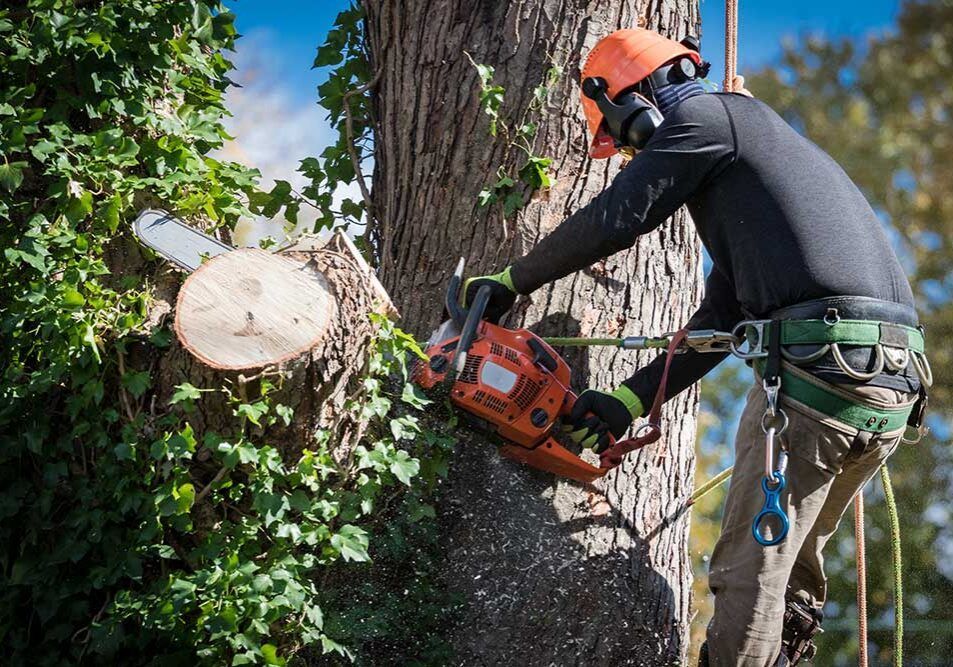
Removing a fallen tree yourself can be dangerous and may result in injury or further property damage. Without proper training and equipment, you risk liability for any accidents or damages that occur during the process. Considering the complexity and risks involved, it's often best to leave tree removal to professionals.
Hiring Professionals
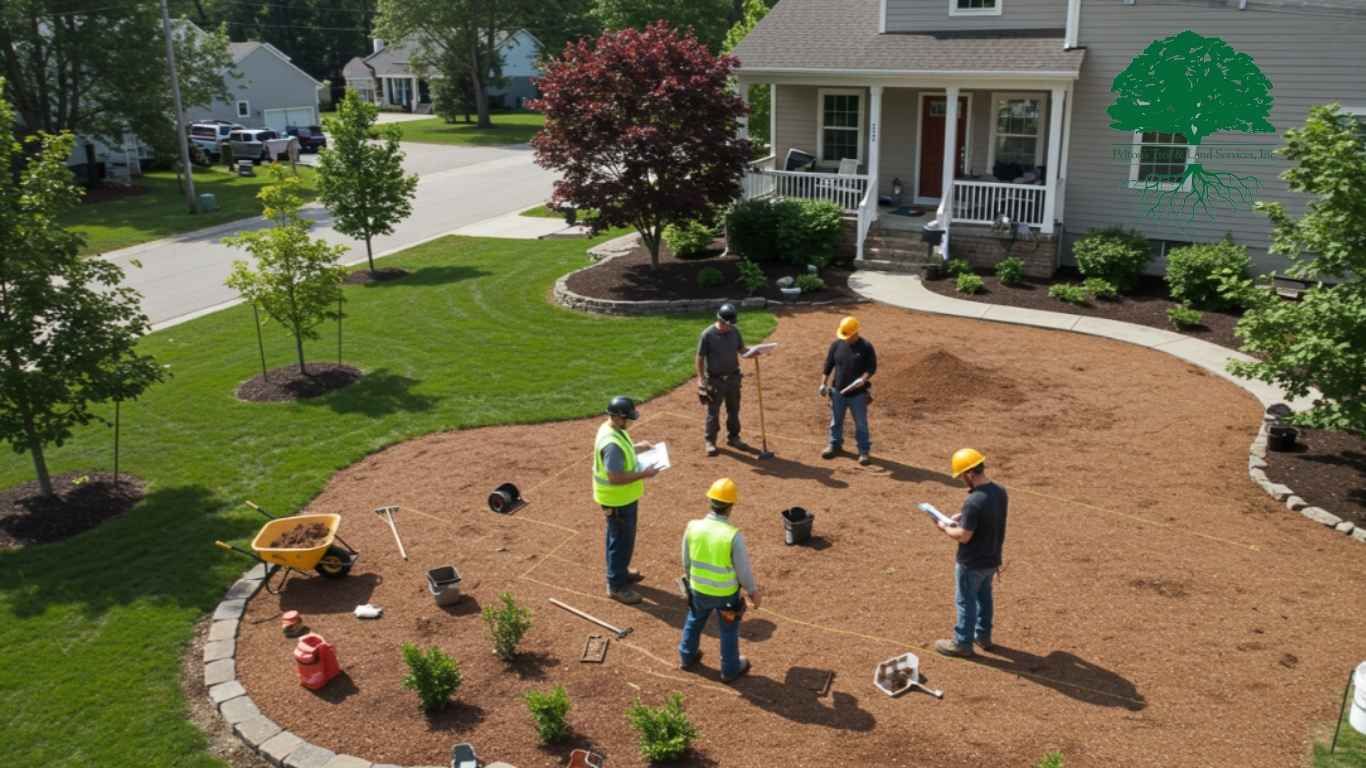
Hiring licensed arborists for tree removal ensures the job is done safely and effectively. Professionals have the necessary expertise, equipment, and insurance to handle tree removal without risking further damage or injury. Checking credentials and references can help you choose a reliable service provider.
Conclusion
Determining responsibility for fallen tree removal involves understanding tree ownership, the cause of the fall, and relevant local laws. Proper tree maintenance and awareness of homeowners insurance policies can help mitigate risks and ensure swift resolution of fallen tree issues. For safe and compliant tree removal, it is advisable to seek professional help.
FAQ Section
Who is responsible for fallen tree removal?
Responsibility depends on tree ownership, cause of the fall, and local laws. Typically, the owner of the property where the tree was rooted is responsible unless negligence is involved. In cases of shared trees, responsibility is shared.
Does homeowners insurance cover fallen tree removal?
Homeowners insurance usually covers fallen tree removal and damage if caused by natural events. However, it often excludes coverage for trees that fall due to neglect. Reviewing your policy can clarify what is covered and what is not.
What should I do if a neighbor’s tree falls on my property?
If the tree fell due to natural causes, your homeowner’s insurance will likely cover the removal and damage. If negligence is involved, the neighbor is responsible for removal and costs. Documenting the incident and communicating with your insurance company can help resolve the situation.
Can I remove a fallen tree myself?
While possible, removing a fallen tree yourself is risky and can lead to liability issues. It is recommended to hire licensed professionals for safe and effective removal. Professionals have the training and equipment to handle tree removal safely.
Who is responsible if a tree from public land falls on my property?
Community officials are responsible for removing trees from public land. However, you may need to rely on your homeowner’s insurance to cover the cost of fixing any related damages. Contacting local authorities can help expedite the removal process.